BROADCAST SERIES
Human Footprint
Editing the Emmy-nominated series for PBS
ROLE: EDITOR
Earth is home to more than 10 million species. Yet the actions of one — humans — affect every other. Human Footprint follows evolutionary biologist Shane Campbell-Staton as he travels the world to explore our global impact.
When the series returned for a second season on PBS, I joined as a lead editor to help wrangle its sprawling coverage. Over the course of a year, I crafted 18 of the season’s 30 segments, refining hundreds of hours of footage into a high-octane, journey in science storytelling.
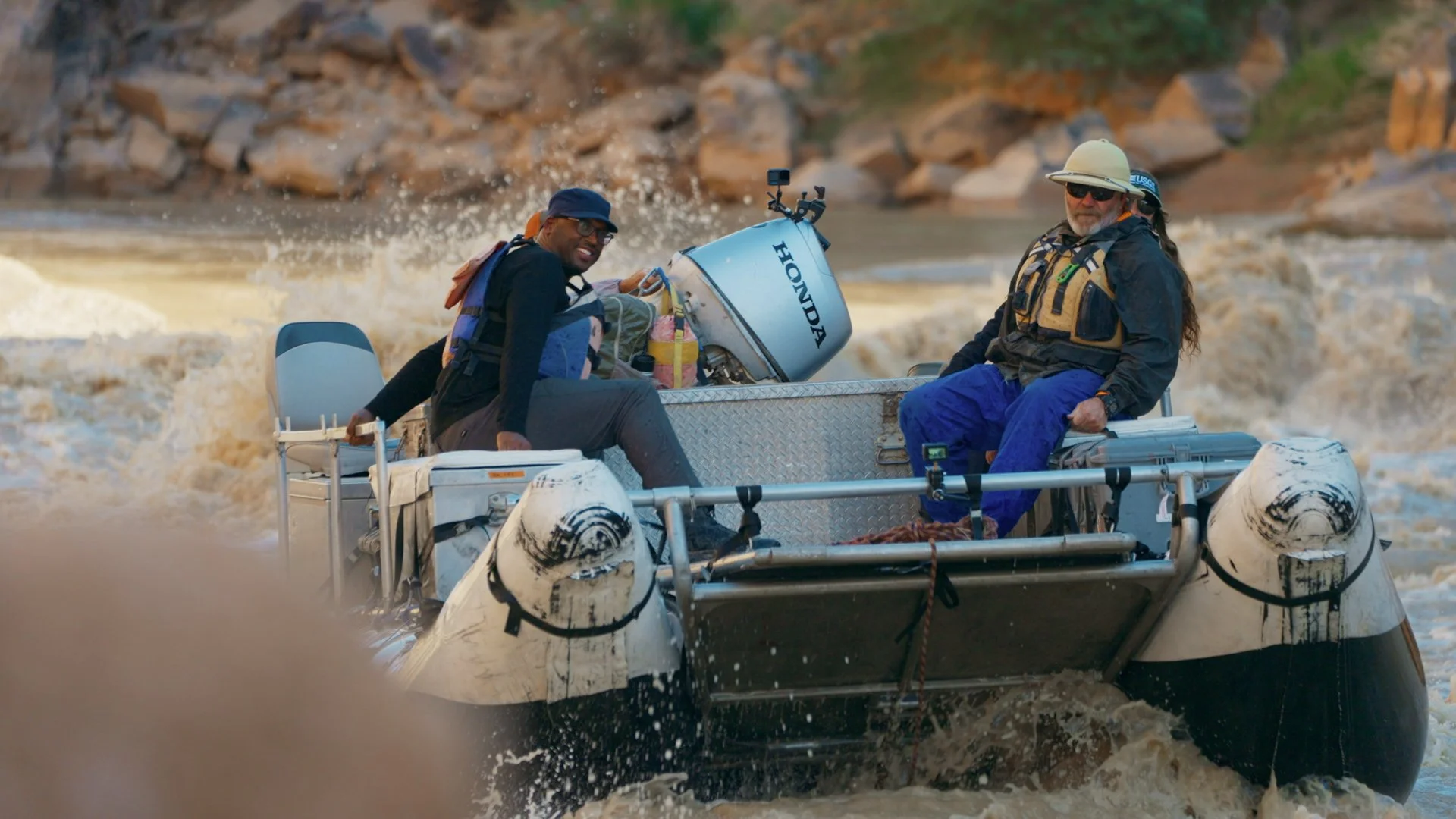
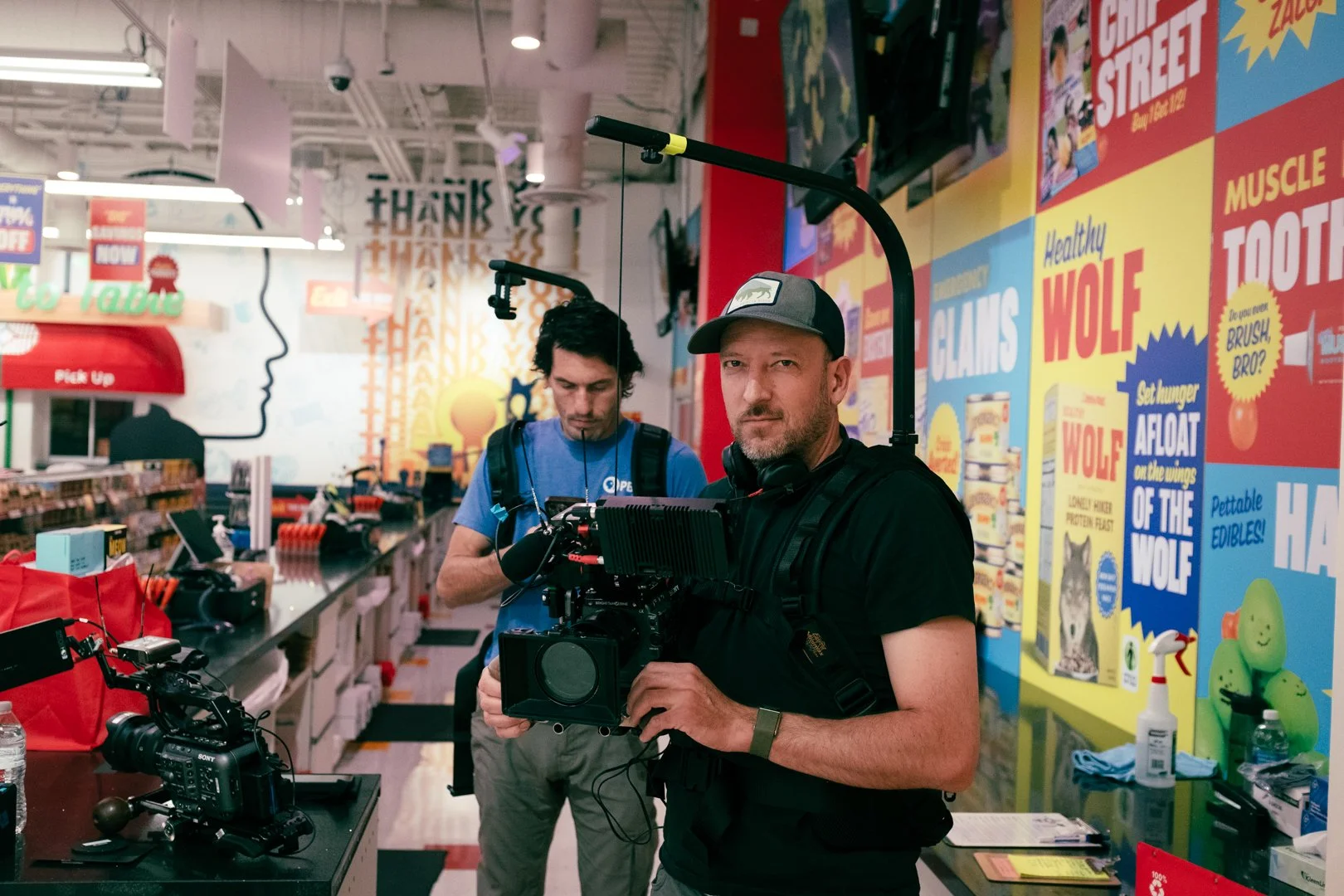
Image by Day’s Edge Productions
Challenges
Human Footprint explores lofty ideas, but to resonate with viewers, it needed to be fun. In Season 1, editor Andy Laub established a style drenched in 90s hip hop and laced with visual jokes. My goal was to honor this foundation while refining and focusing its rhythm.
From green light to air date, we had a brisk eighteen months to deliver six hours of television. This pace demanded:
Quick thinking: With an average of three shooters and six cameras per crew, we had an enormous volume of footage to sift through — often 40-80 reels for a 12-minute segment.
Creative autonomy: With directors focused on field production, I was often assigned to build the visual structure from scratch, translating raw footage into a story before the first review.
Intricate sound design: Since the show’s kinetic style relies heavily on SFX, directors needed to hear provisional sound design as early as the rough cut.
Exploration and Solutions
Find the Pivots
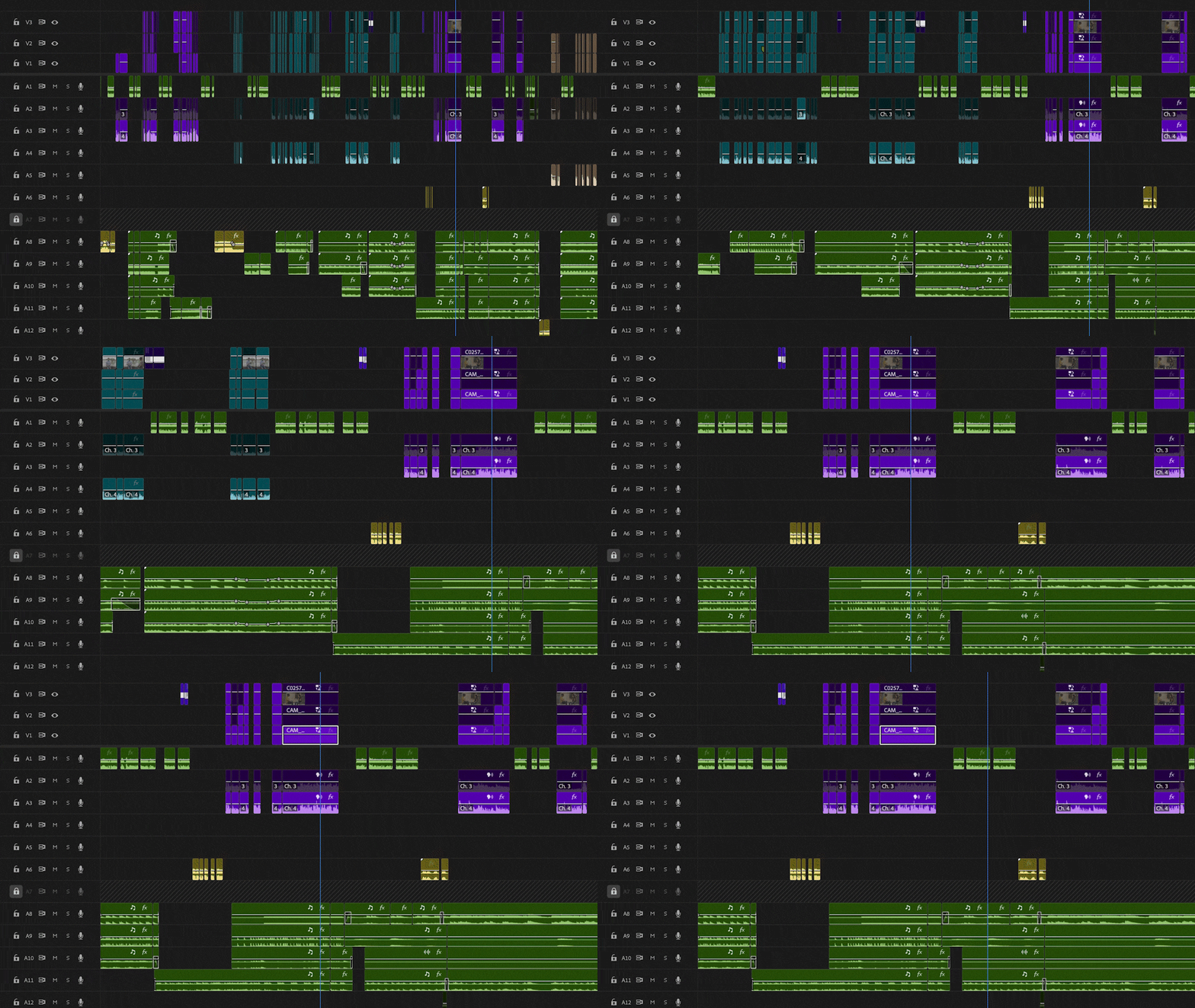
Work on every segment began with a script and a dialogue stringout. I would play the audio against the text, hunting for the "and," "but," and "therefore" moments where the story pivoted. Once I mapped these structural turns, I built a playlist in Epidemic Sound for each beat.
My guiding question was always: “How do I want the viewer to feel here?” I would isolate, cut, and loop individual instruments to tailor the tracks to the story. By the end, I’d have 10-15 cues arranged in an alternating pattern, creating a sense of motion through moments of intensity and release.
Visual Assembly
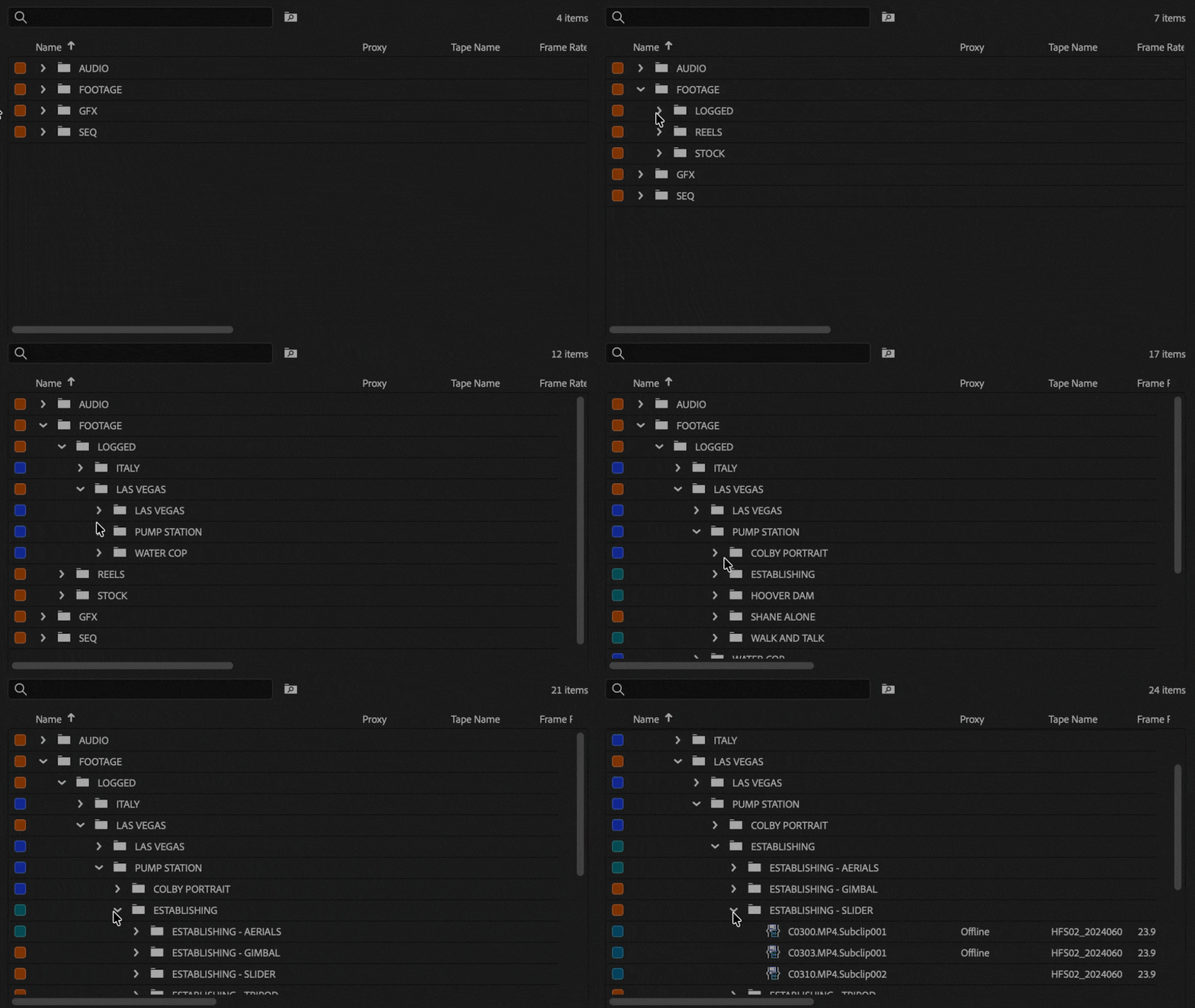
With music and dialogue in place, I waded into the footage. To find things quickly, I created detailed bin structures for each segment, organizing shots by location, setup, and camera format.
As my mental map of the footage clarified, I roughed in visual sequences, gradually refining shot selection for continuity and flow. By taking ownership of these initial choices, I ensured that when the directors entered the edit bay, we could focus on refining the emotion rather than hunting for coverage.
Stock and Archive
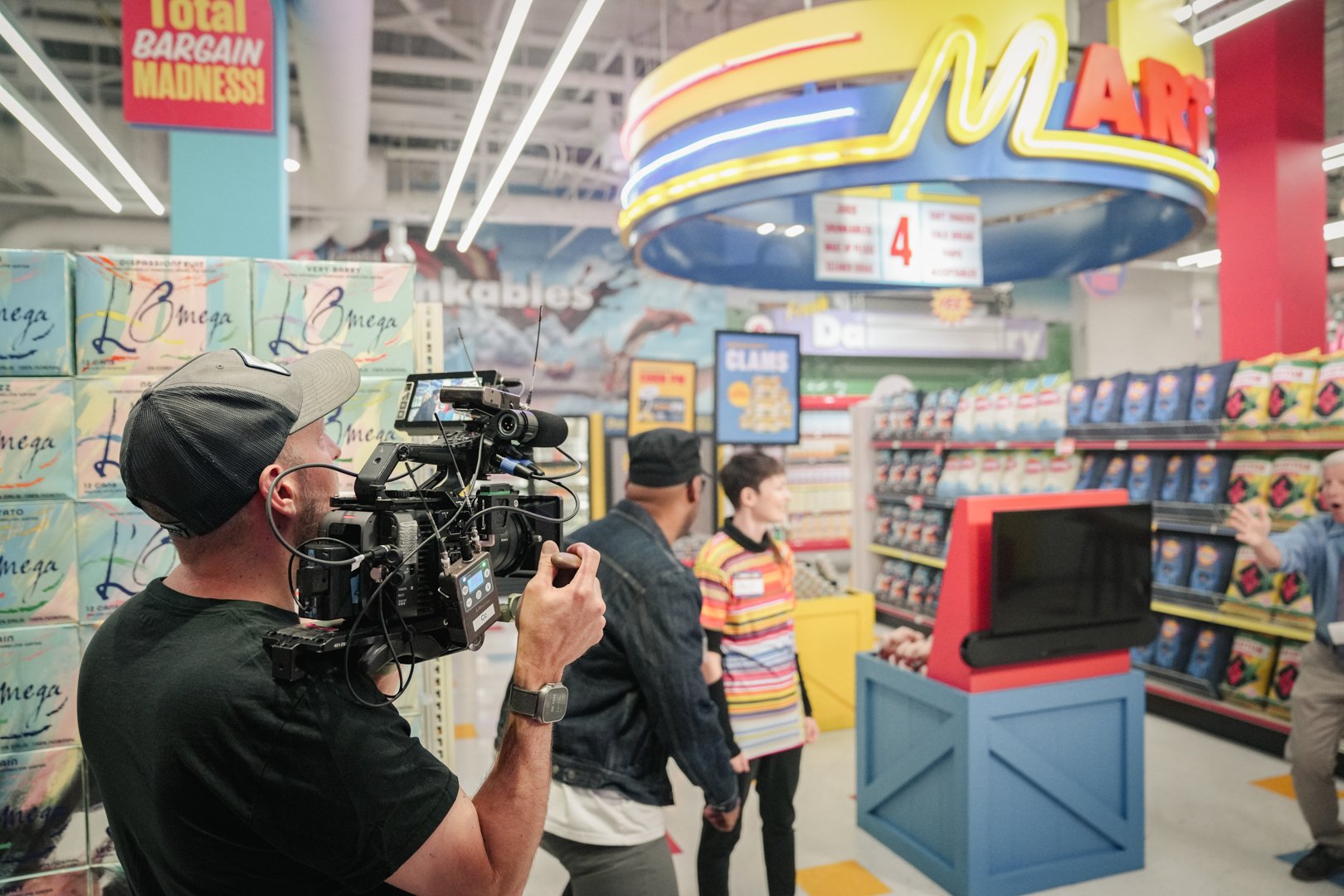
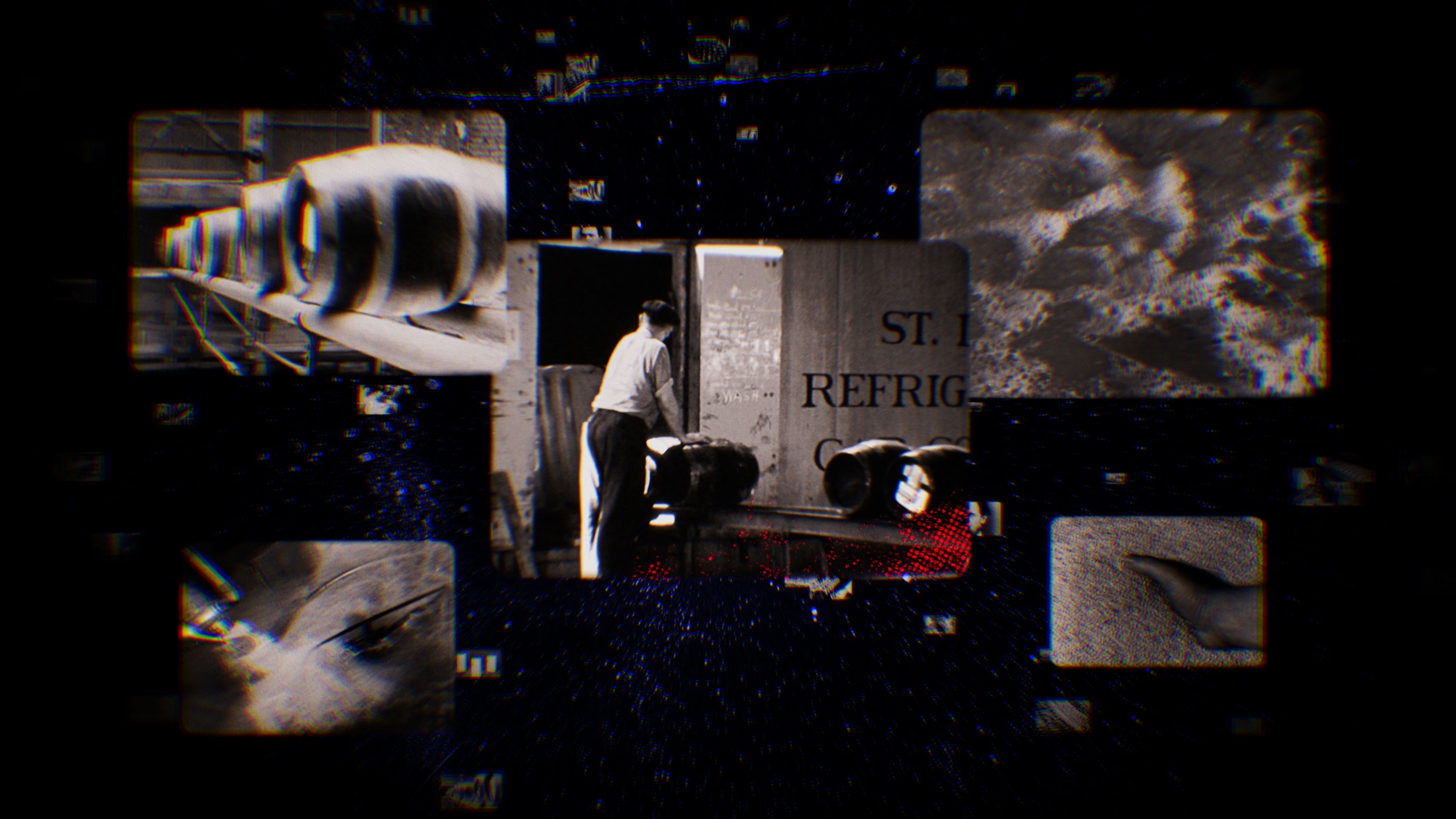
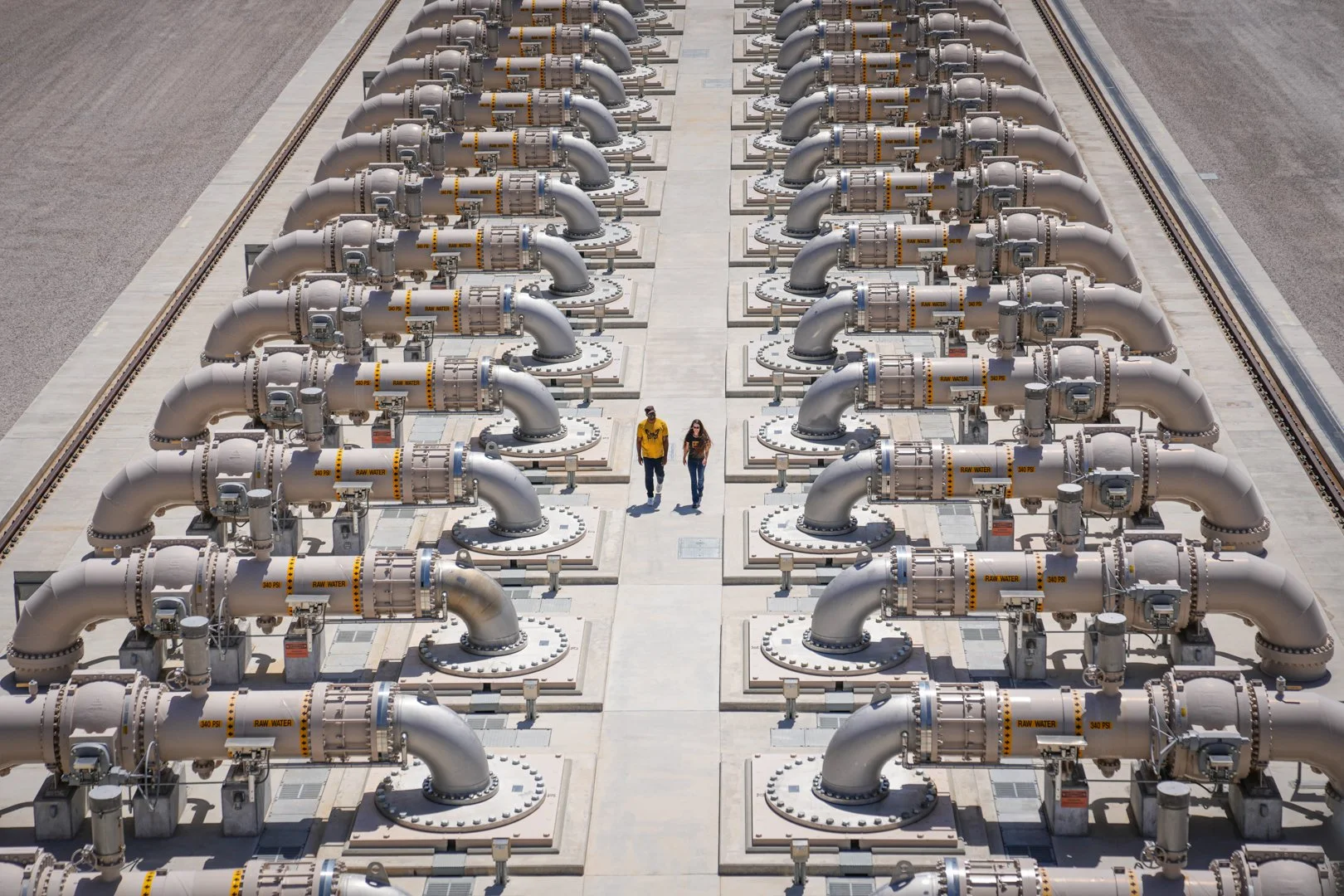
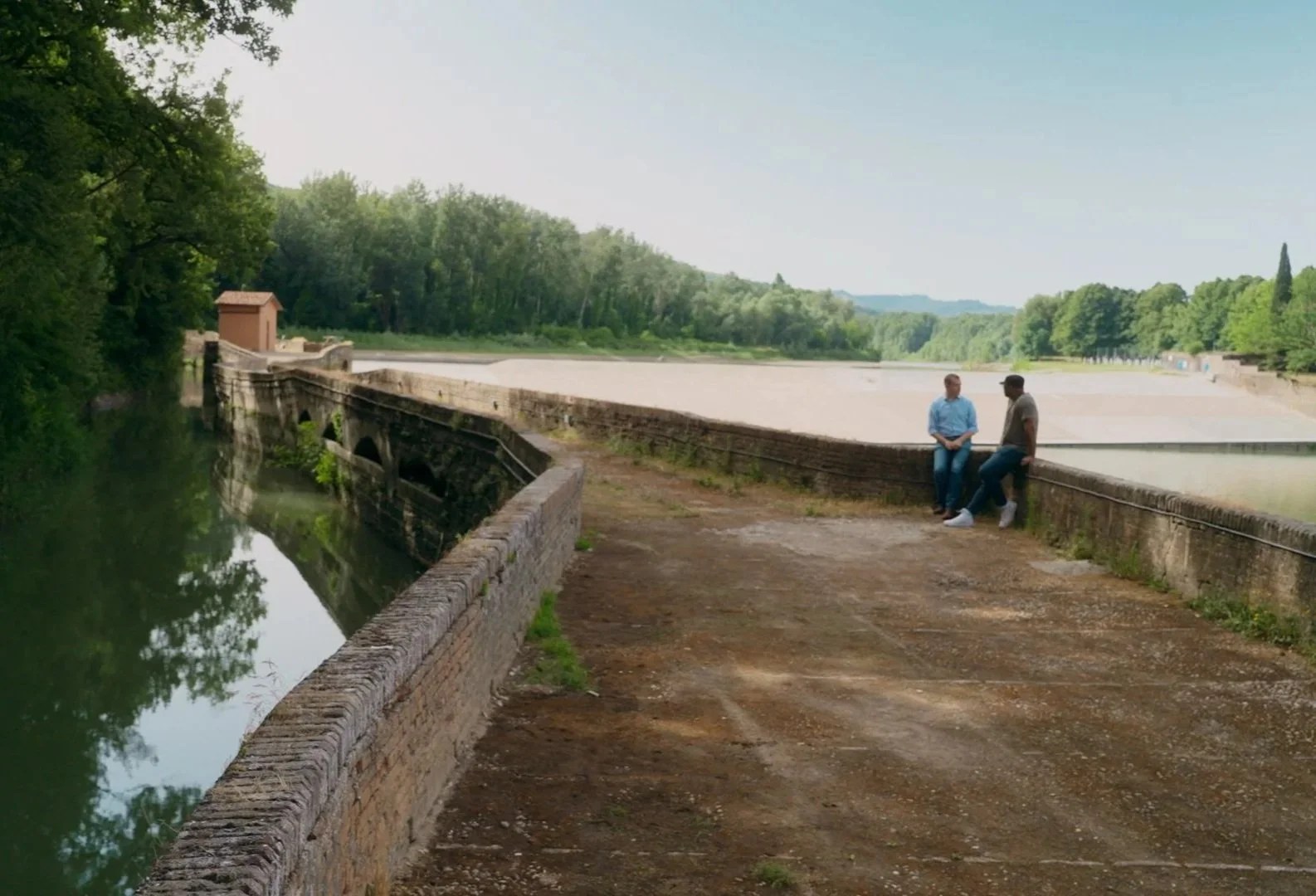
Human Footprint dove deep into its subjects, covering everything from Las Vegas’ water infrastructure to slavery in the shrimp supply chain. Despite prodigious output from our field crew, gaps in coverage were inevitable. I utilized stock libraries to enrich our setups and broaden the show’s sense of scale. I also worked closely with archival producer Katy Garrity to source specific historical assets, which our partners at MK12 integrated into polished animated sequences.
Cooking with Sound
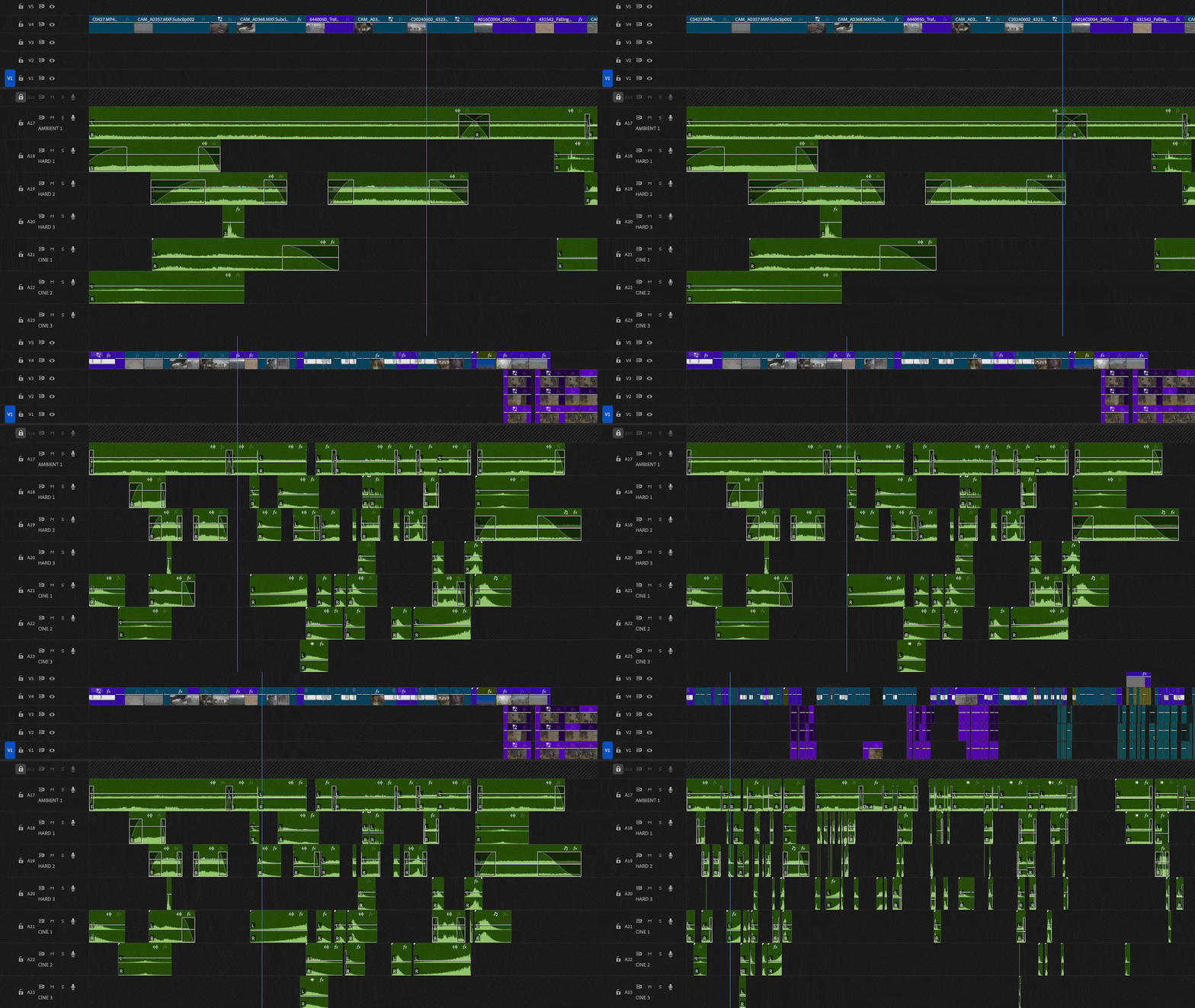
If editing a film is like cooking a meal, sound design is the sauce. Human Footprint relies on sound to justify its brisk visual pace, and while most productions wait until picture lock to begin this process, we incorporated sound at rough cut.
I collaborated early with the designers at Ott House Audio, sending them SFX wish lists based on dailies. By integrating their professional ambience and FX packages from the start, we achieved a detailed soundscape early in the process, giving the directors a clear vision while easing deadline pressure for the mix engineers.
Supervising the Season
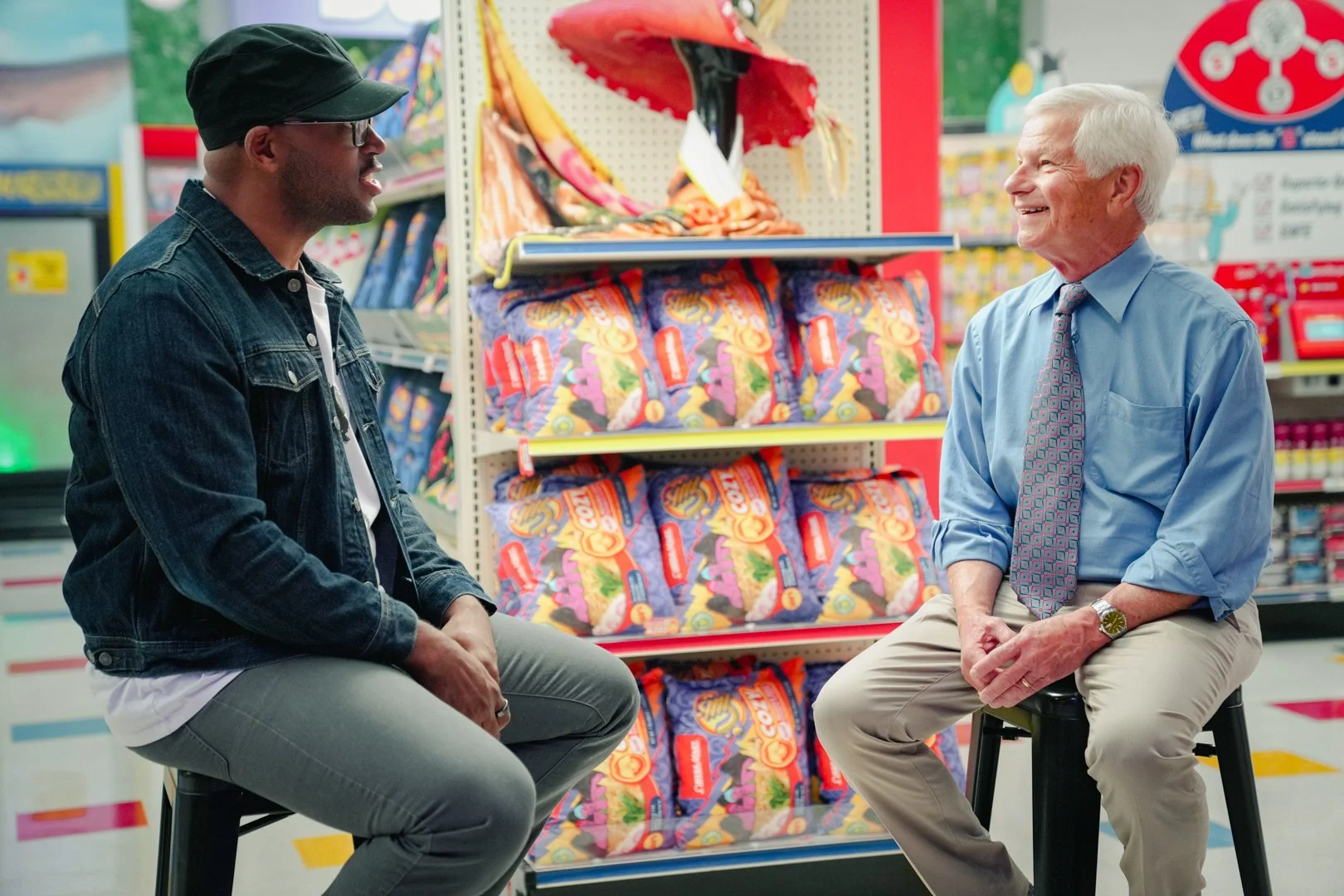
As the season progressed, my role evolved from editor to problem-solver. I began assisting with segments that had stalled, offering a fresh perspective to troubleshoot narrative flow. Eventually, I served as the supervising editor for two episodes (Shelf Life and Dammed if You Do).
This role shifted my focus to unification: refining sequences across the episode to ensure stylistic continuity and conforming the final locked cuts to PBS’s broadcast clock, down to the second.
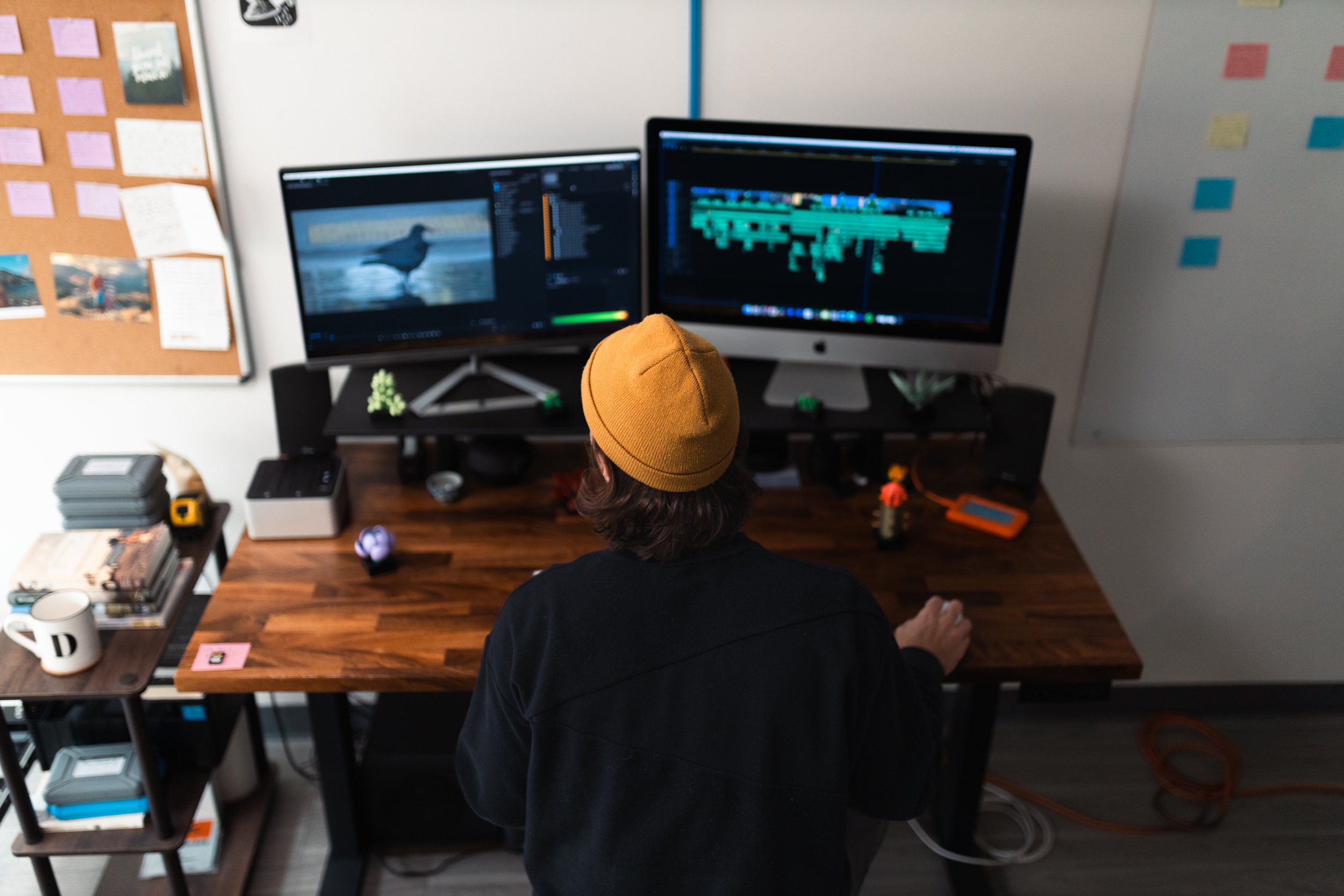
Image by Angel Morris
Collaboration
Each episode of Human Footprint reflects the efforts of a large, cross-disciplinary team. Here are a few other folks who contributed to post-production:
The series was written and directed by Nate Dappen and Neil Losin, with co-direction from Page Buono and Rick Smith.
Elliott Kennerson, our post-production supervisor, coordinated workflows across editorial, sound, color, and animation.
I worked alongside fellow editors Austin Andries, Andy Laub, and Angel Morris.
Assistant editors Sami Van Praet, Christian Healy, and Franky Hanen helped manage the enormous volume of media coming in from the field.
Kori Price, our production manager, kept the show running while cranking out the most beautiful call sheets I’ve ever seen.
Shane Campbell-Staton, the series host, brought clarity, curiosity, and humanity to the storytelling, anchoring complex ideas through a strong on-camera presence.
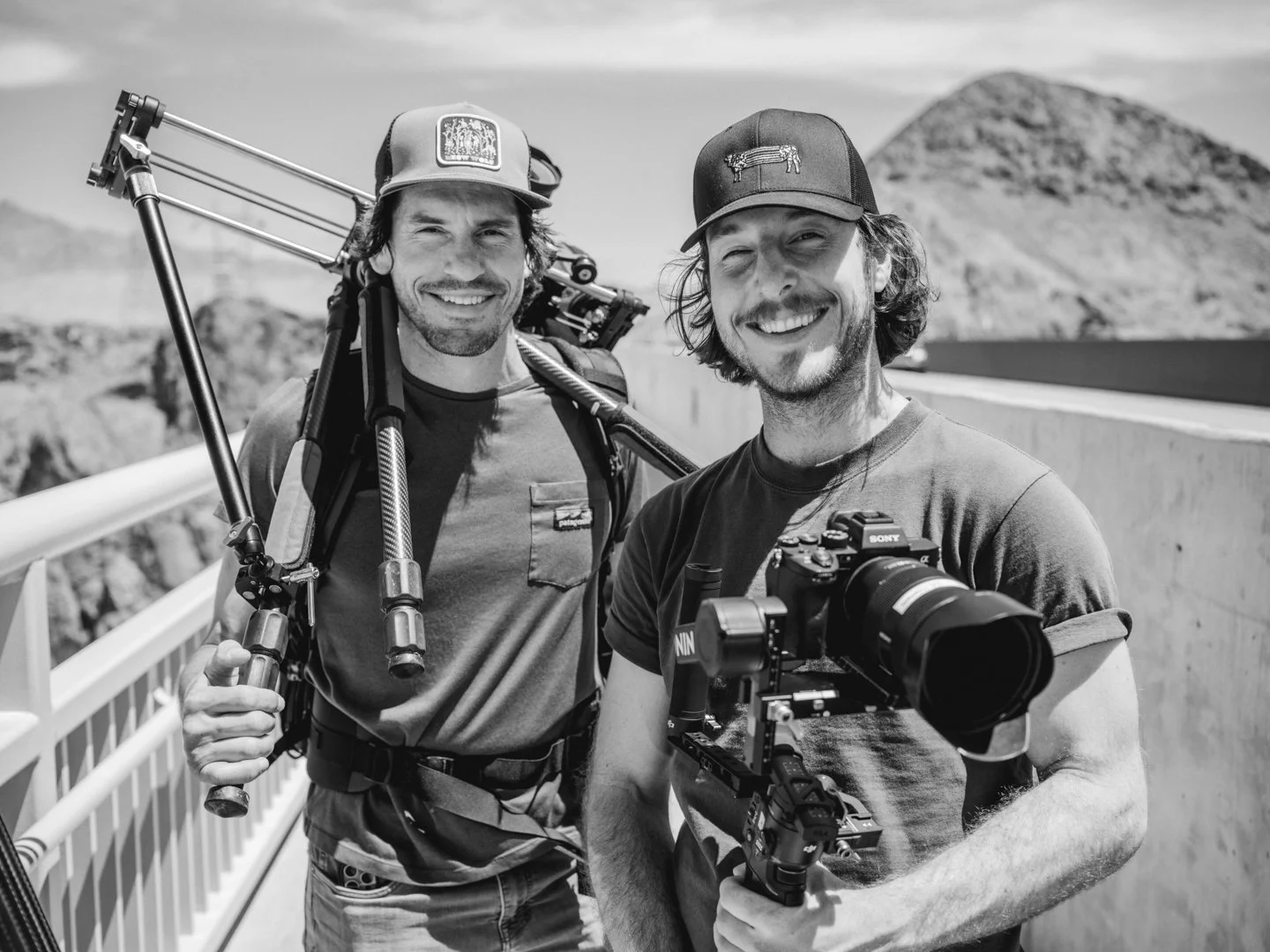
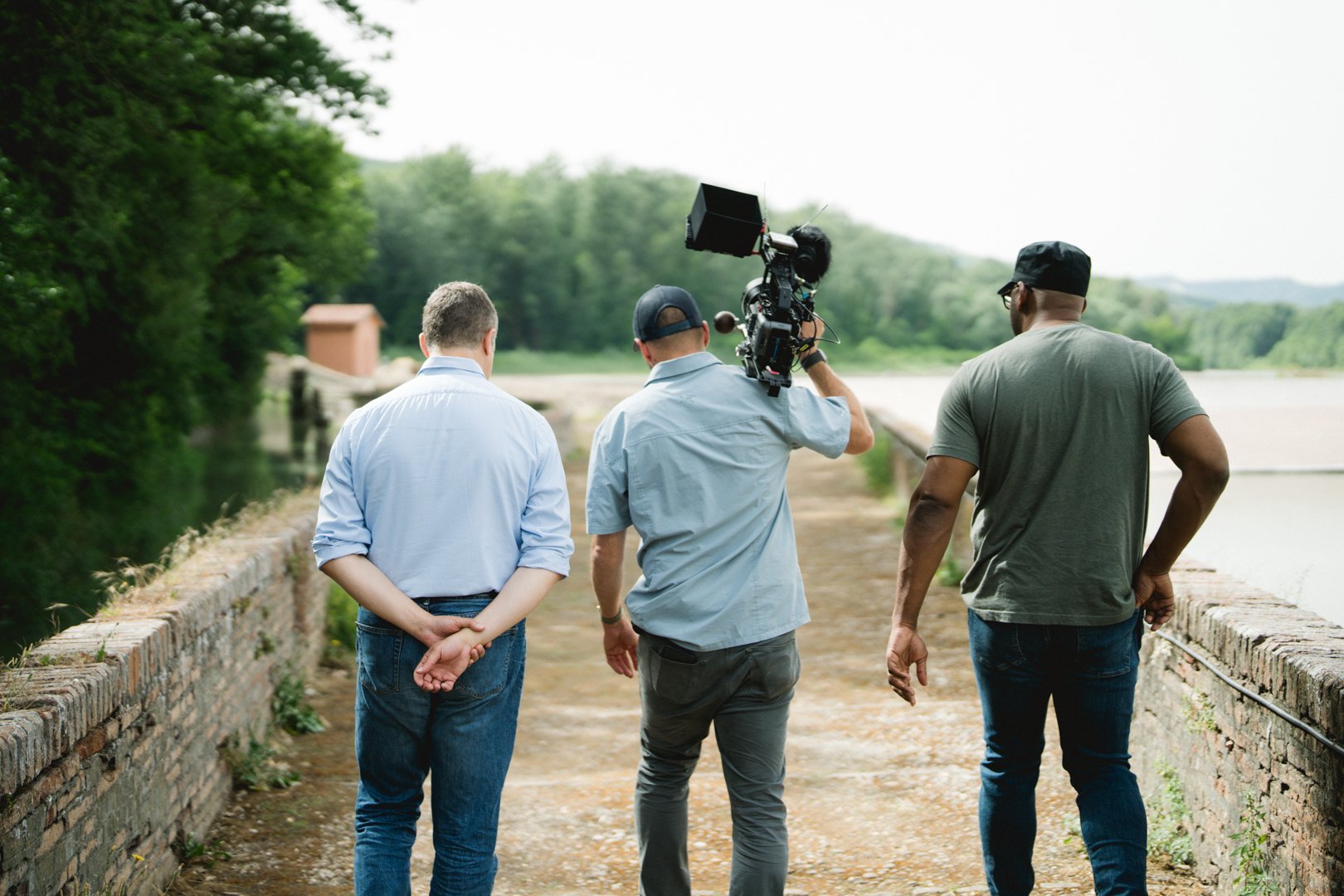
Image by Day’s Edge Productions
Results
Season 2 of Human Footprint premiered on PBS on June 25, 2025, airing six new episodes through July 30, 2025. The show also found an enthusiastic audience on PBS Terra’s YouTube channel, where adapted S2 segments have grossed 4.3 million views.
At the 2025 Jackson Wild Media Awards, Human Footprint received nominations for Best Editing and Best Limited Series, and won Best Science & Nature - Long Form.