DOCUMENTARY SHORT
Lesbian Seagulls
Filming Love Birds for NBC News Studios
ROLE: DP
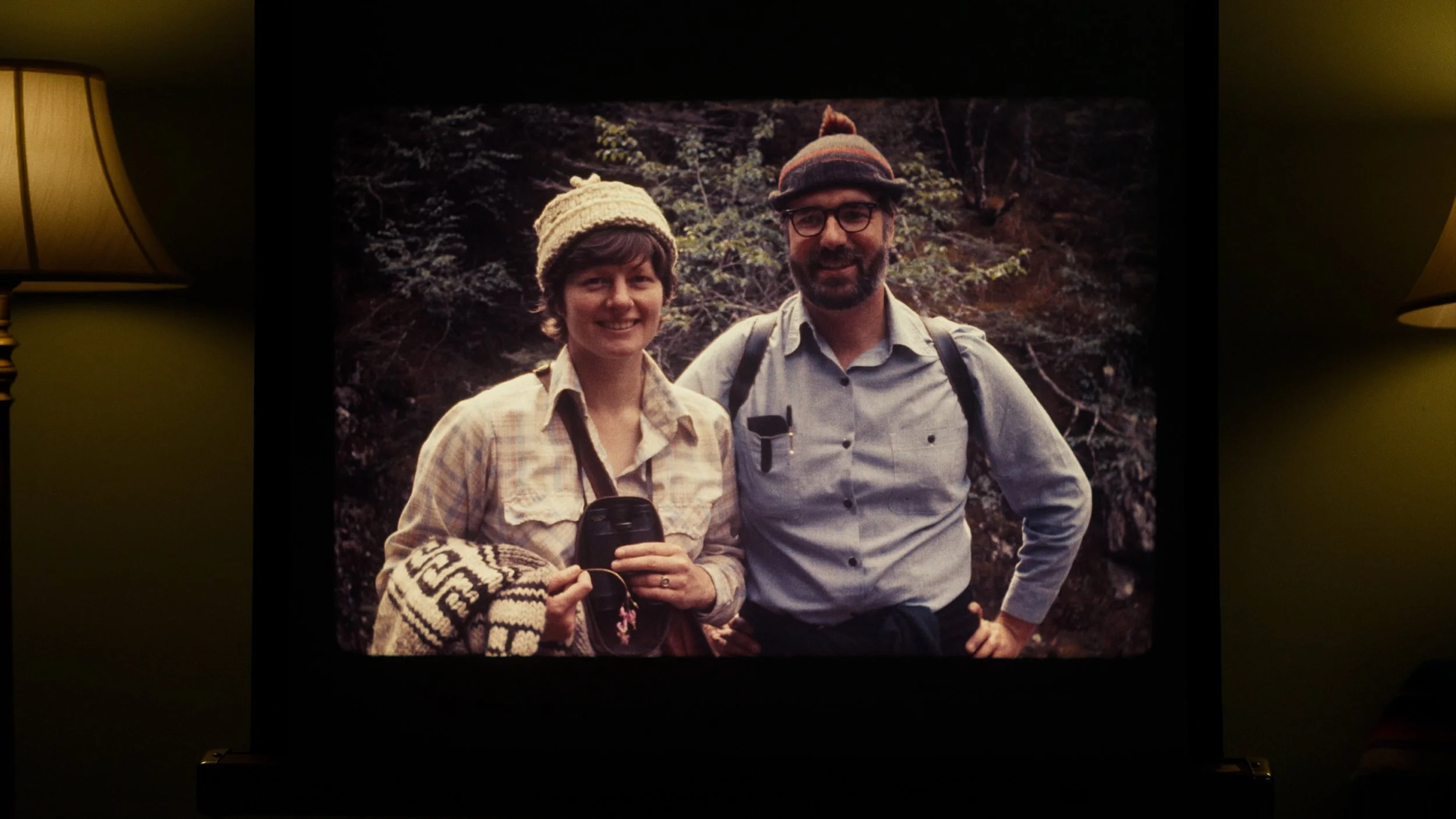
In 1972, married biologists George Hunt and Molly Warner made an unprecendented discovery while studying seagulls on one of California’s Channel Islands.
To their surprise, many of the nesting pairs they observed were both female. George and Molly’s research on these “gay gulls” quickly sparked both outrage and celebration in a nation at the crossroads of the LGBTQ+ rights movement.
Love Birds, directed by Elliott Kennerson and Angel Morris, tells the story of two ambitious young scientists, their love affair, and a serendipitous discovery that propelled them into a cultural and political firestorm.
Elliott and Angel hired me to shoot their sizzle for Love Birds just before the 2023 If/Then Original Voices pitch competition at DOC NYC. When NBC News Studios commissioned the film, I joined their team as Director of Photography.

Challenges
Retrospective POV: The key events in Love Birds unfolded more than 50 years ago. How could we bridge the visual and emotional gap between contemporary vérité scenes and archival photographs of the research?
Off-limits location: Santa Barbara Island, the site of George and Molly’s original discovery, had been closed by the National Park Service to protect nesting brown pelicans. How could we tell a place-based story without setting foot where it happened?
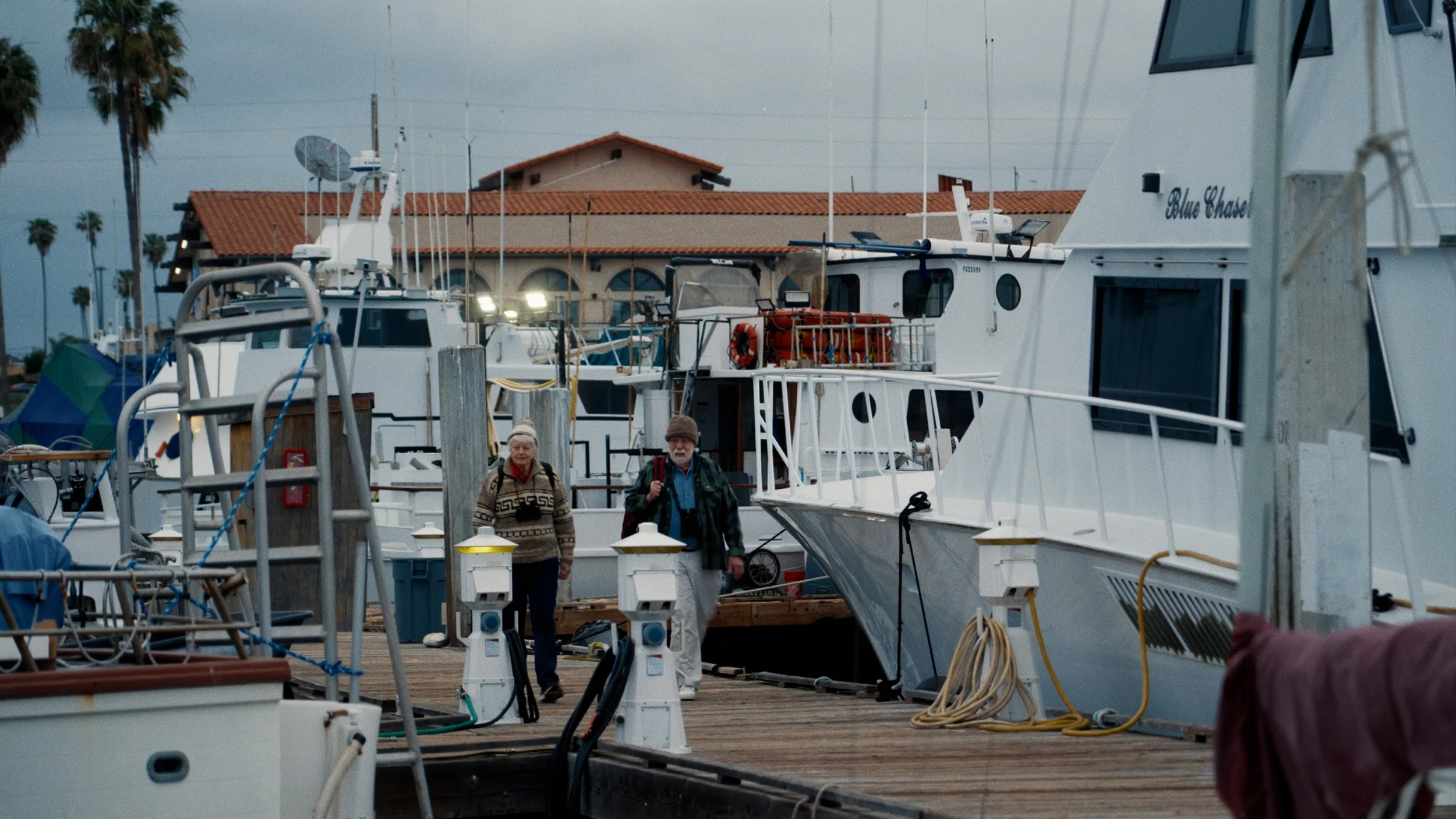
Elderly characters: During production, George and Molly were both in their 80s. How could we create a relaxed set environment while working on a tight schedule?
Exploration and Solutions
Interviews First
We filmed our key interviews (and a handful of quick B-roll setups for the sizzle) over a weekend in a small beach cottage in San Diego. With limited square footage and a two-camera setup, lighting was a bit of a puzzle, and I’m still proud of my solution.
When we first walked in, I noticed a TV mounted on an articulating arm in the center of the living room, directly across from the bedroom doorway. Borrowing a technique from Lewis Potts, I draped a bounce over the screen, then placed my key light in the bedroom and used a spot lens attachment to focus it on the bounce. The TV’s articulating arm let me angle the reflected key onto the subject. When it was time to flip the room for the second interview, I just pivoted the TV toward the opposite side of the cottage, and voila!
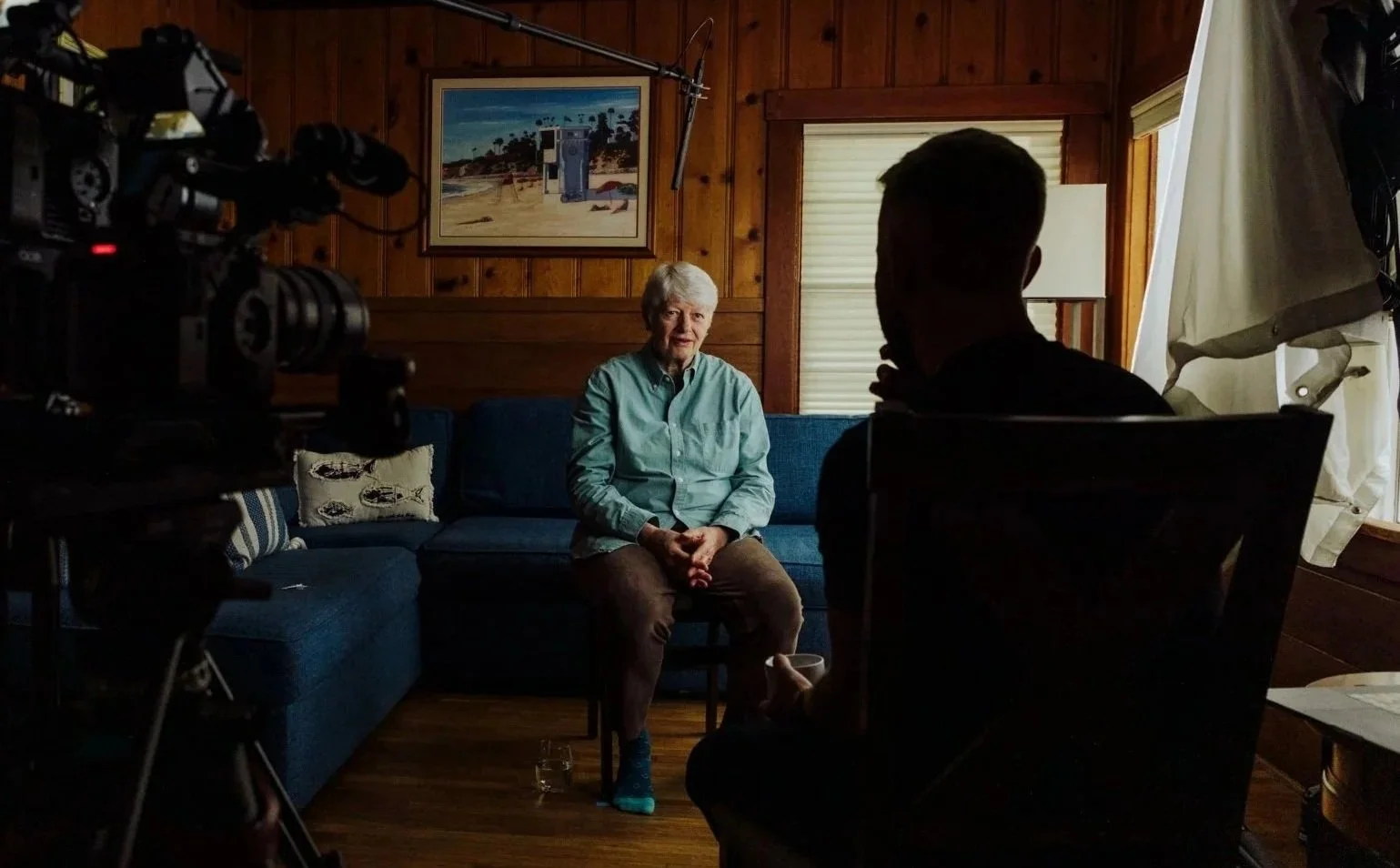
Image by Angel Morris
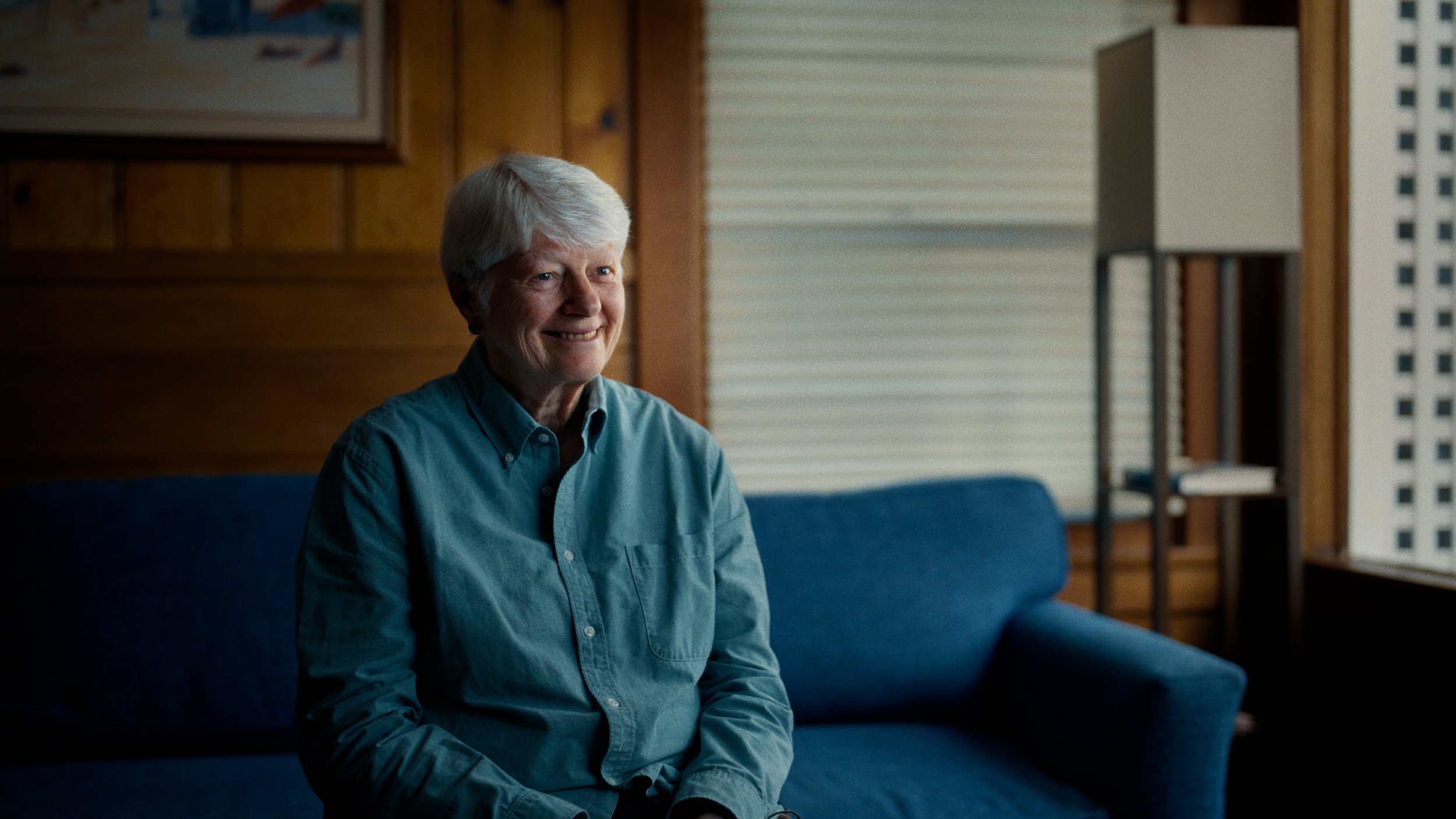
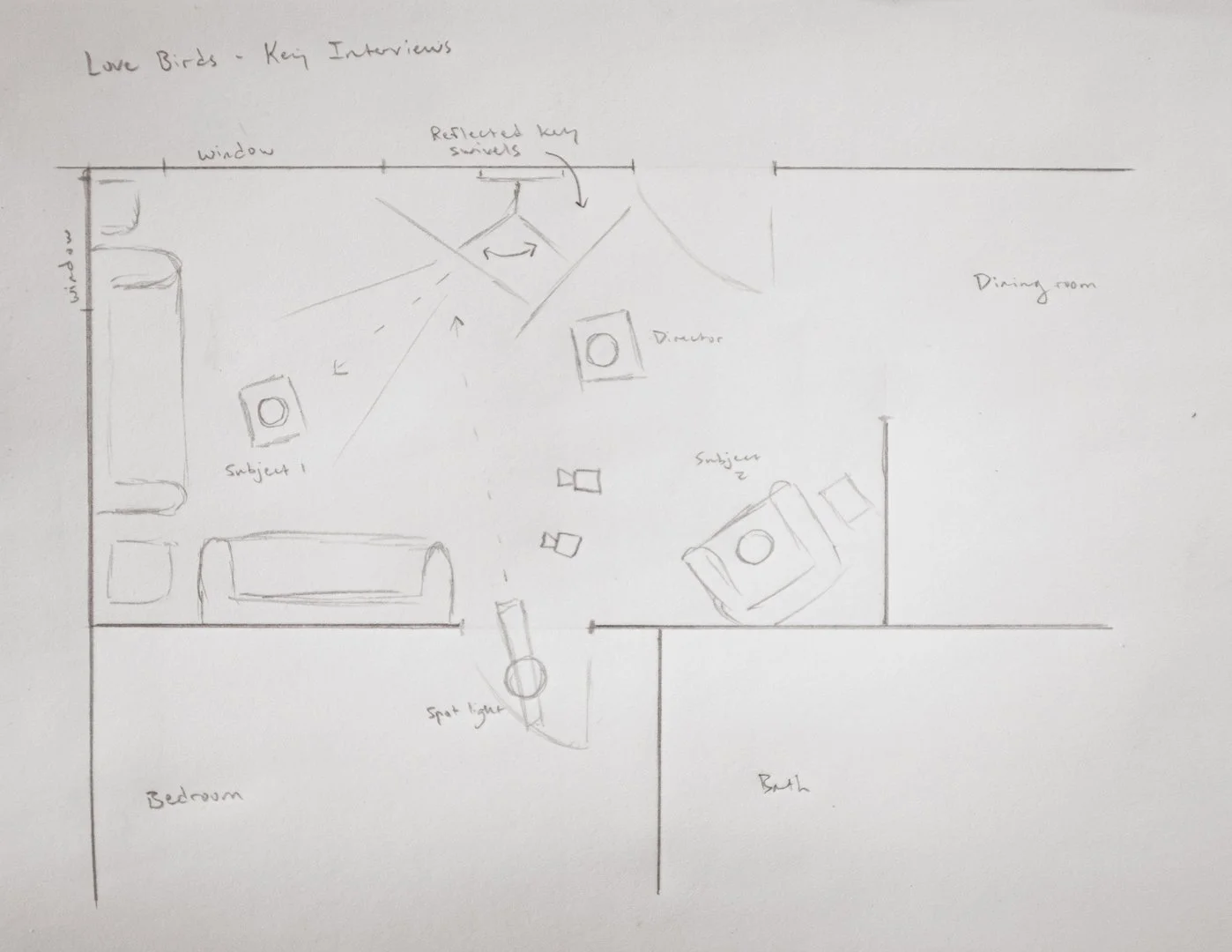
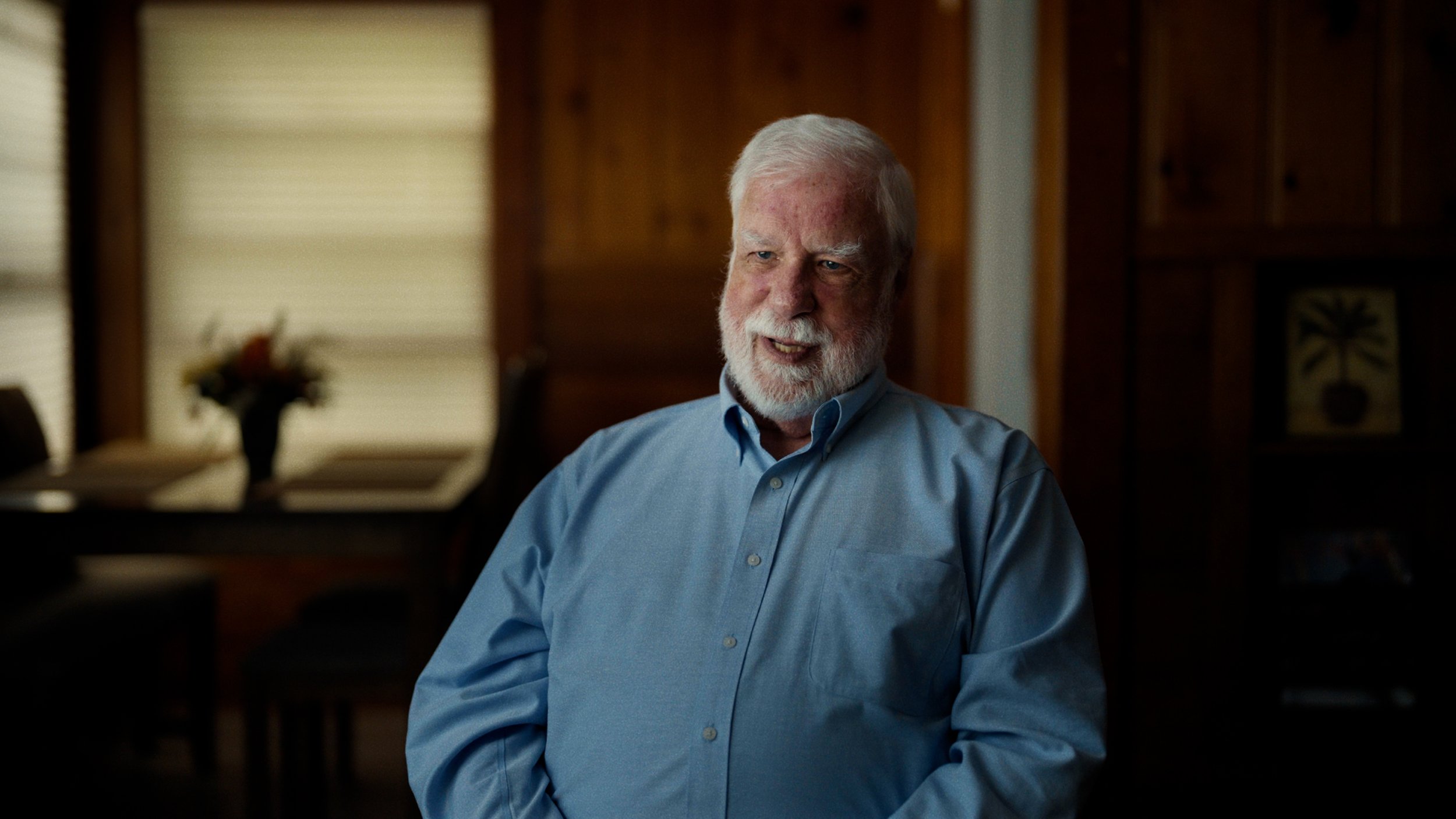

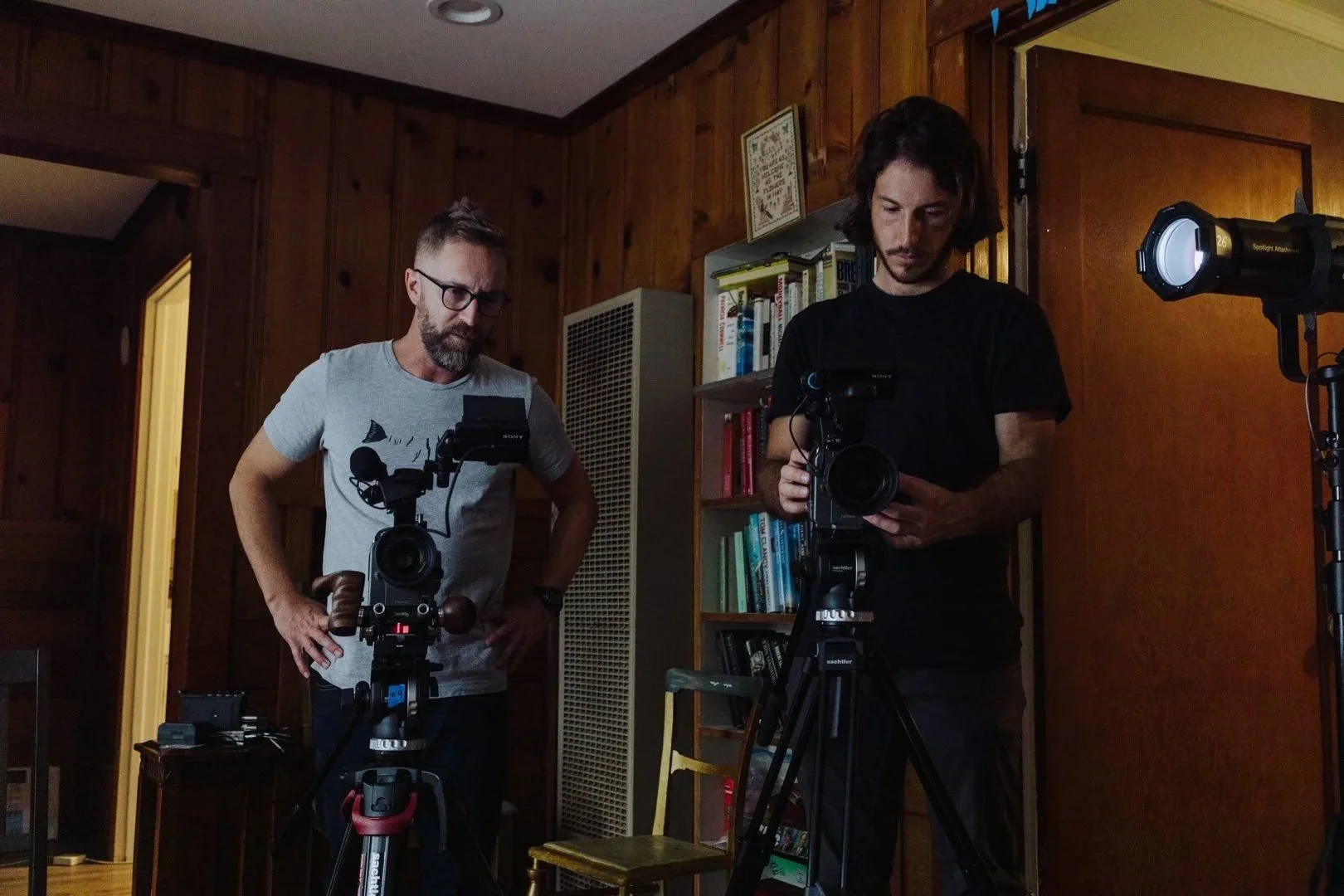
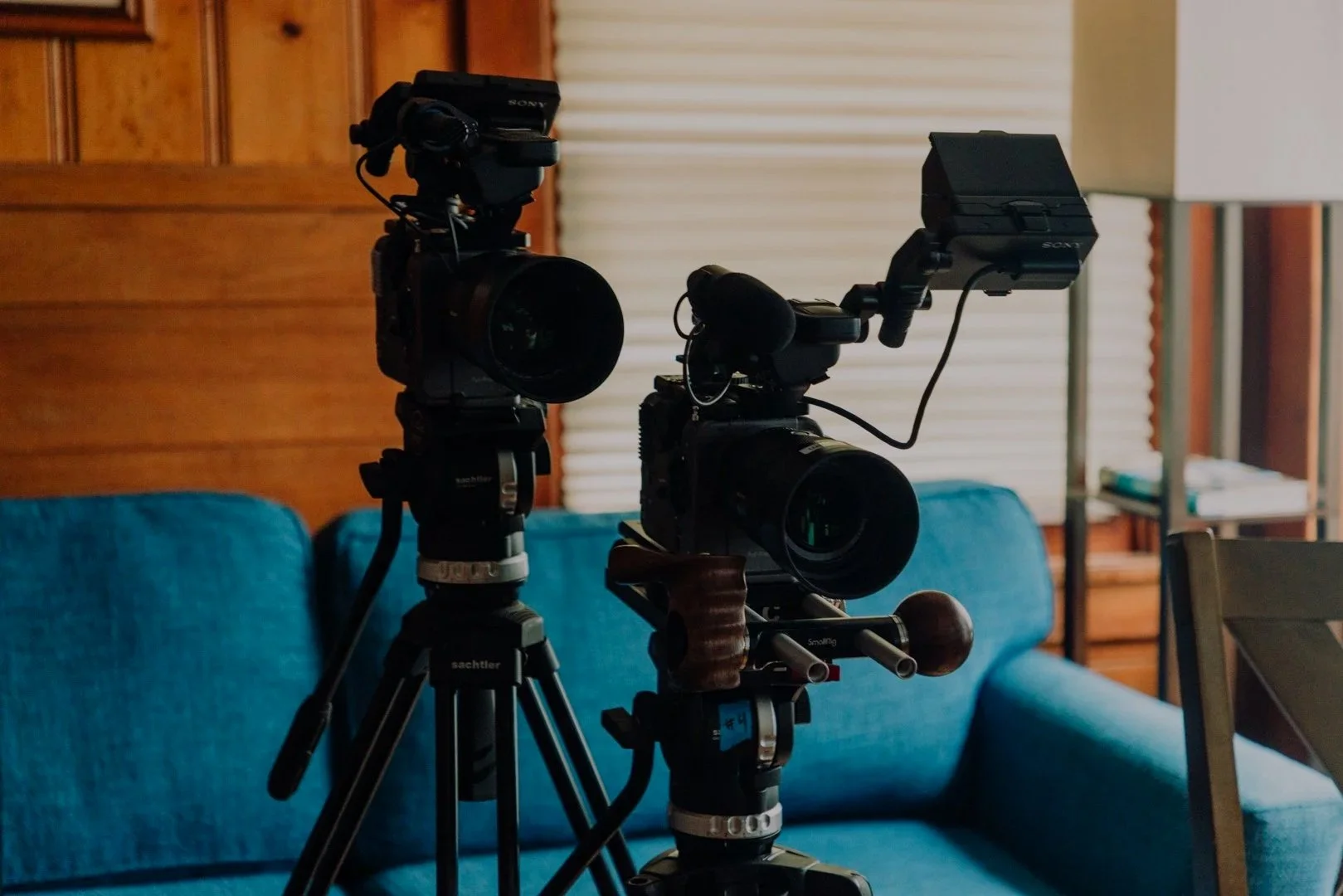
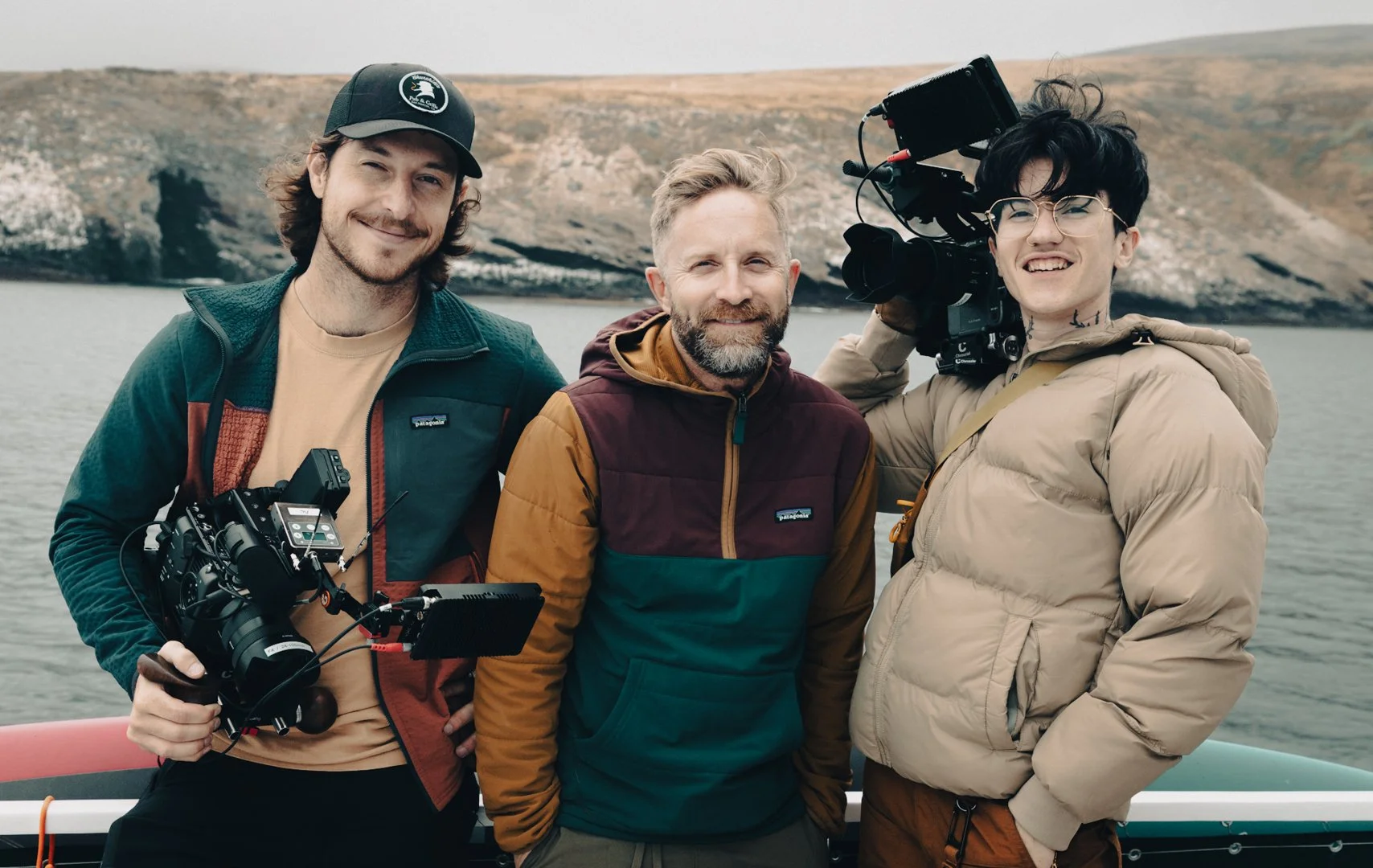
Image by Mike Morrell
Revisiting the Island
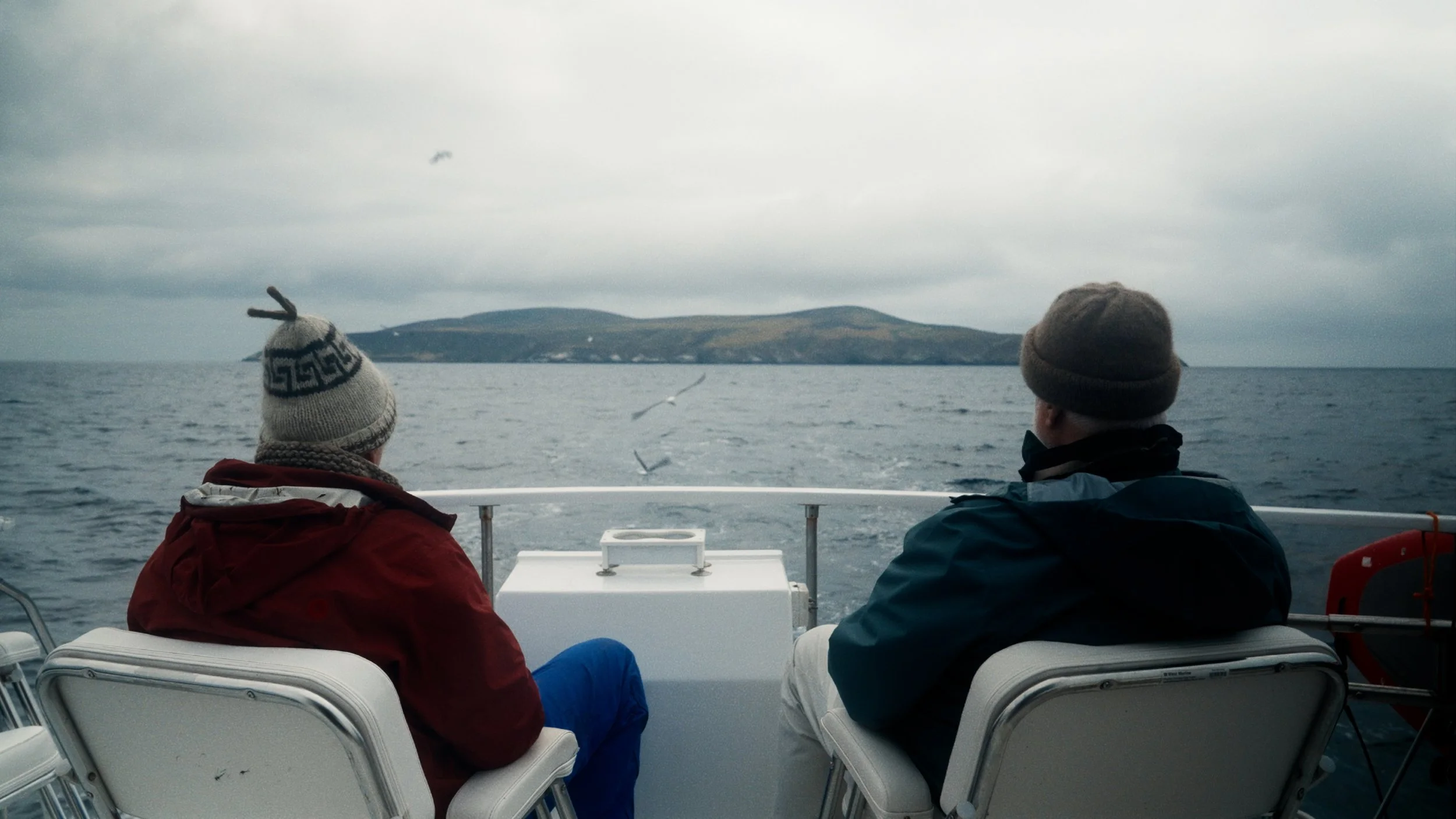
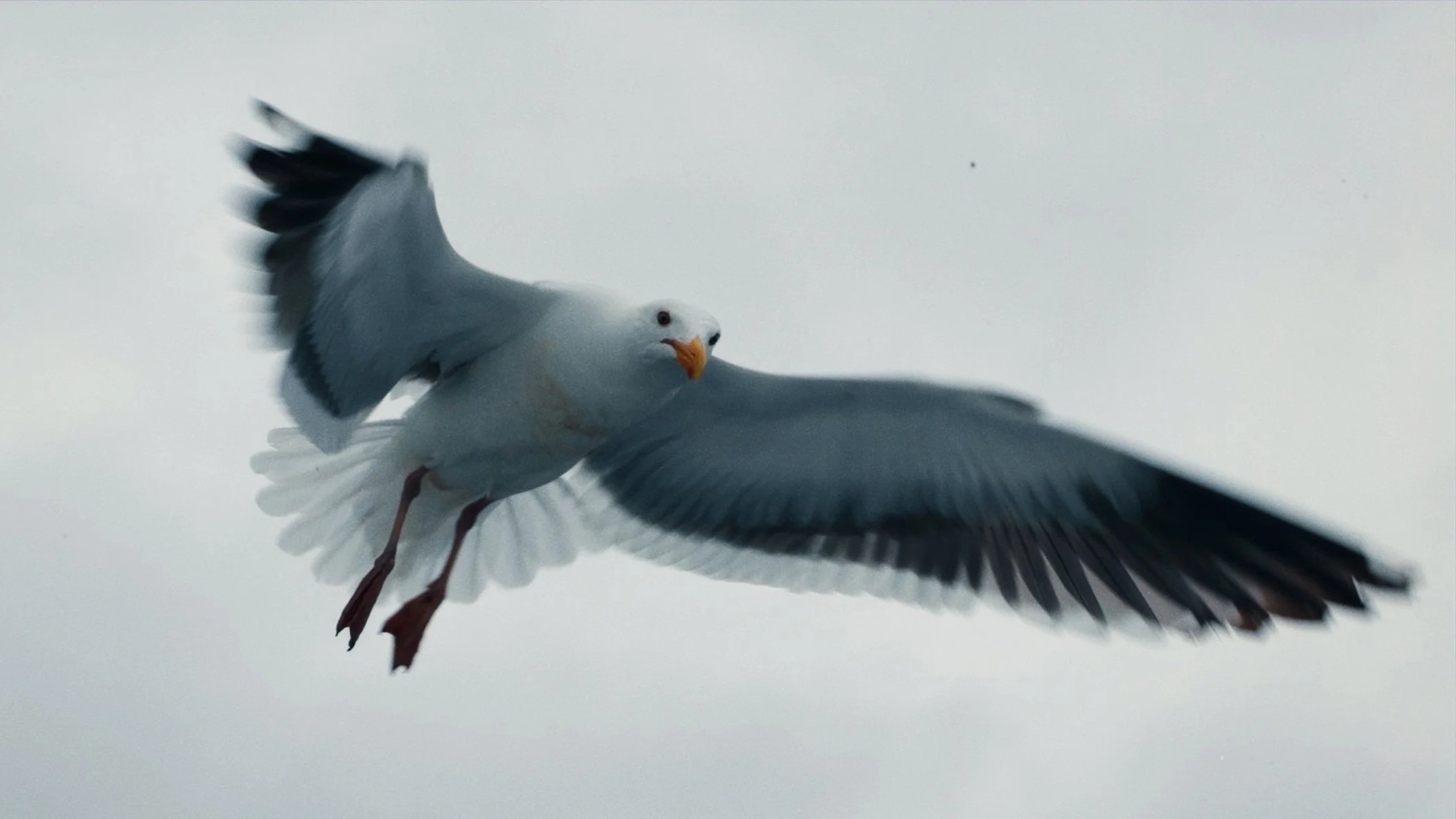
While we weren’t allowed to land on Santa Barbara Island, we could approach it by sea. On one of our first shoots after the NBC commission, we took George and Molly out on a boat to see the island again for the first time in decades. What memories would resurface as the island came into view? We wanted to capture their reactions in real time.
Elliott organized the trip and hired Mike Morrell, a veteran sound recordist from Deadliest Catch, to capture dialogue. Angel and I operated handheld cameras for the vérité conversation between George and Molly, and I used a gimbal and drone to film establishing shots of the island. To follow FAA and NPS rules, we took the boat more than a mile and a half offshore before launching the drone.
Capturing Behavior
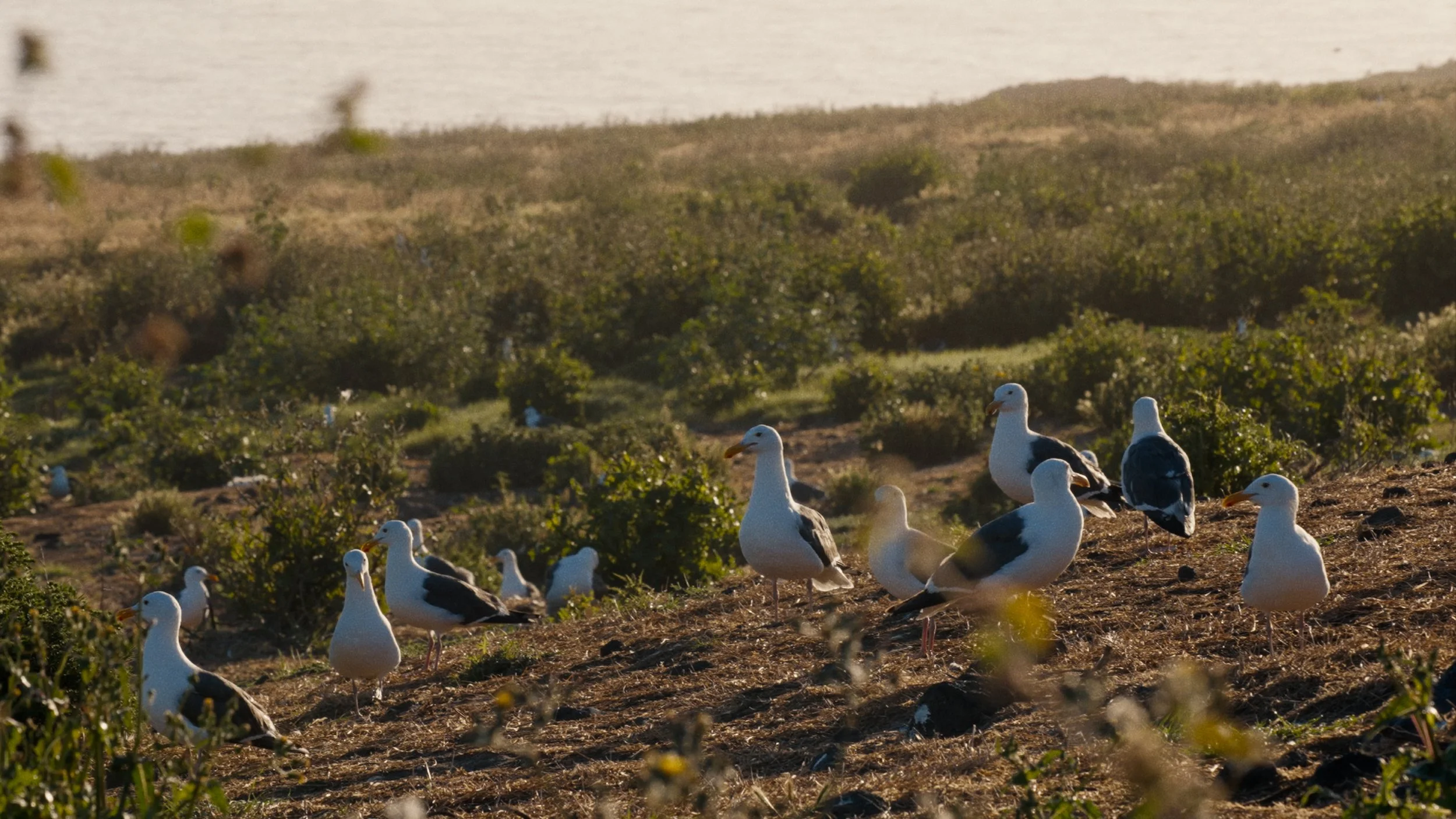
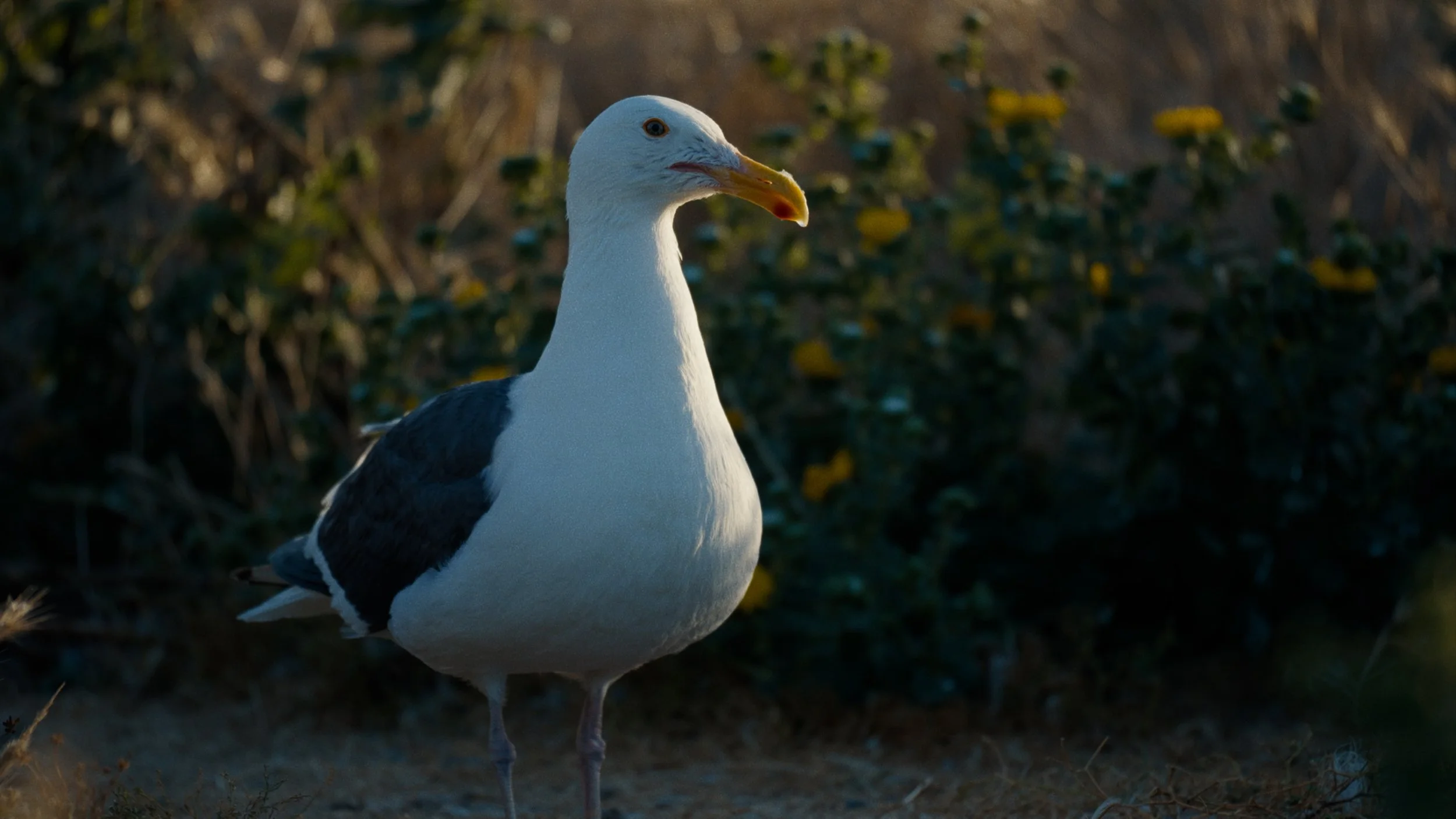
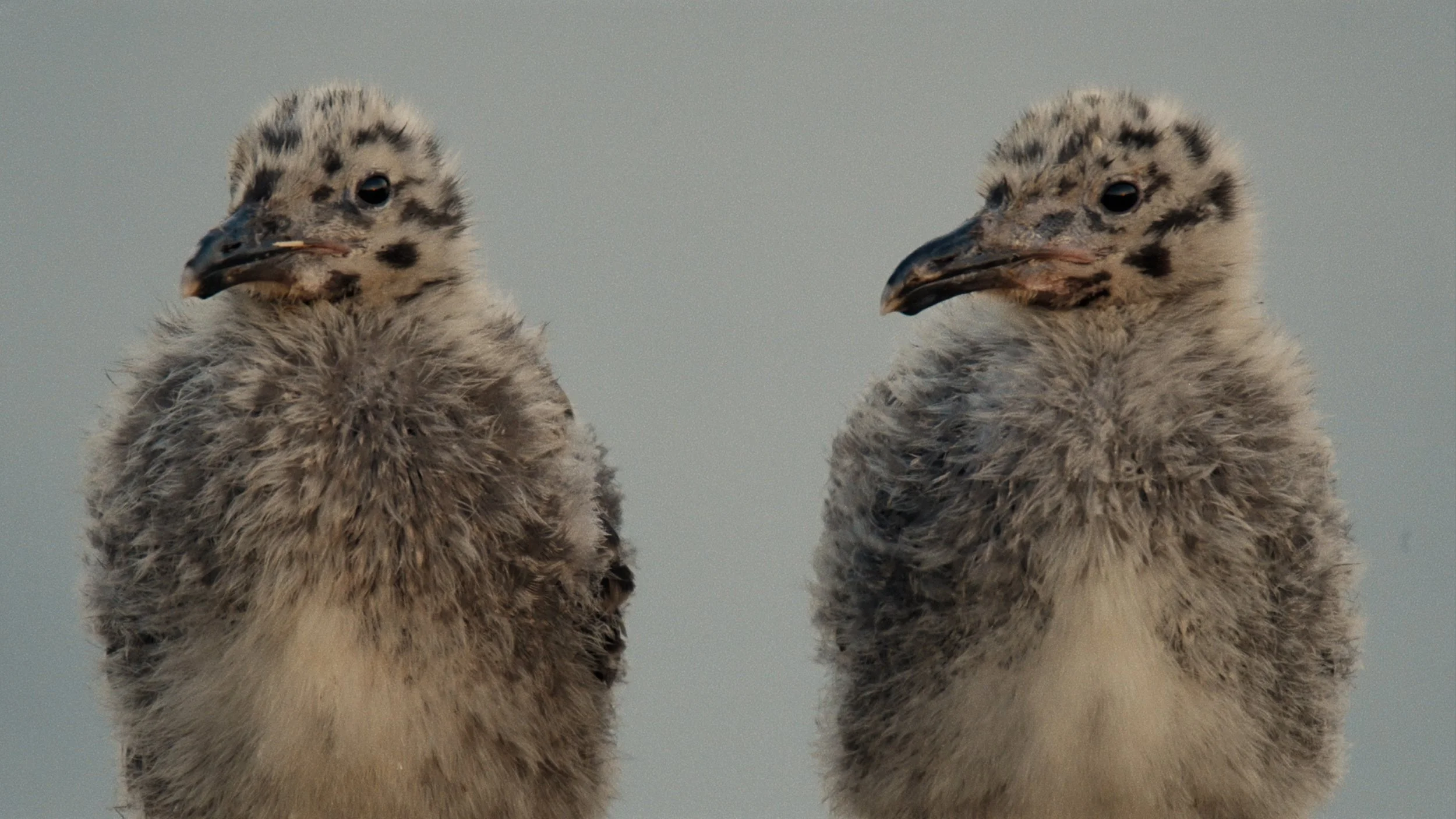
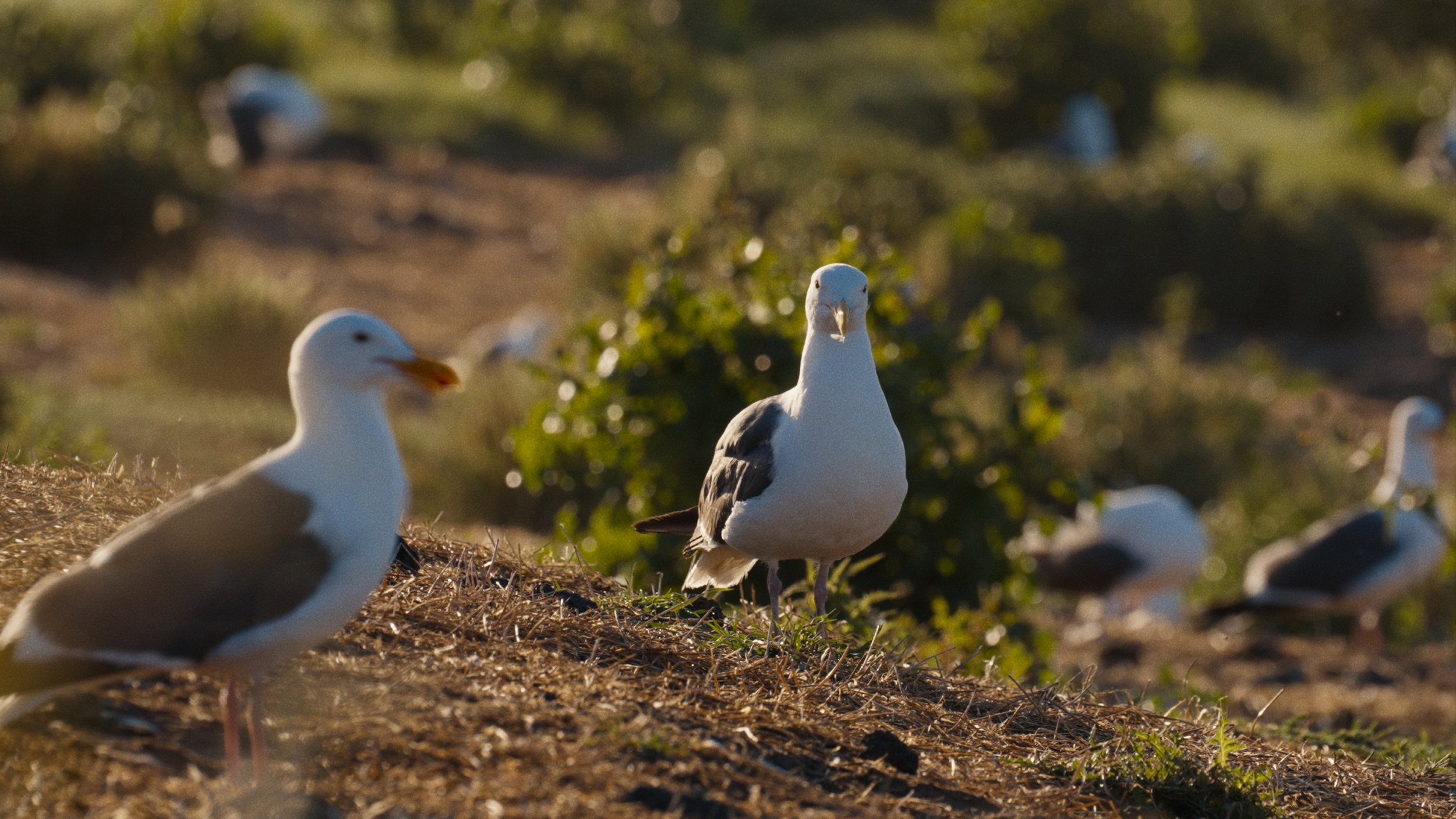
Shooting from a boat worked for vérité moments and island establishers, but if you want to film seagull natural history, you need to do it on land. Fortunately, there’s another place in the Channel Islands where you can see seagull nests up close: East Anacapa Island.
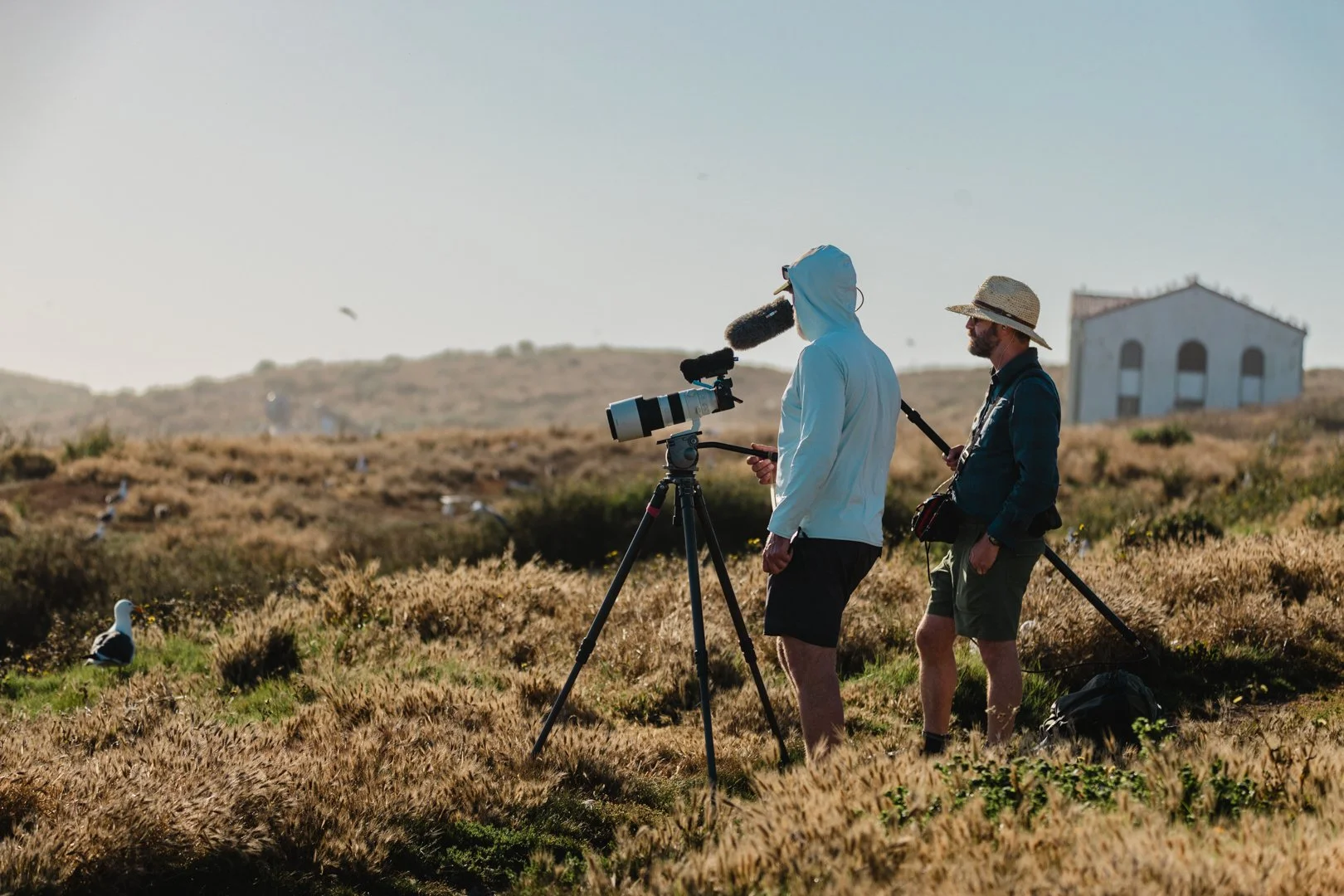
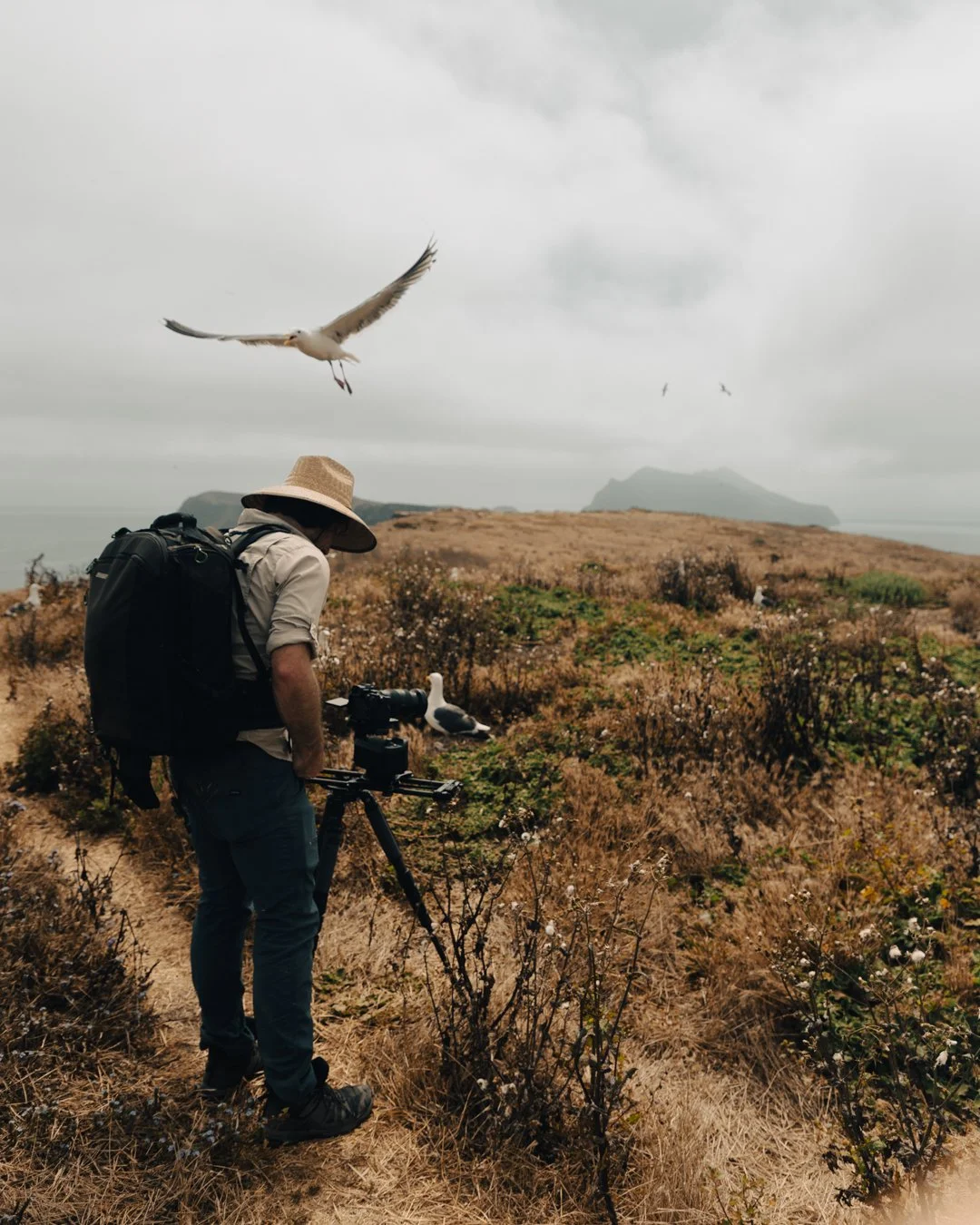
At the height of breeding season, Angel, Elliott, and I ferried out from Ventura with another seasoned wildlife cinematographer named Jeremy Roberts, hauling our gear up the long, long staircase from the dock to a campsite surrounded by nesting gulls. After pitching our tents, we split up to maximize coverage: Jeremy focused on long-lens cinematography, while I handled motion-control, gimbal, and supplemental long-lens shots. Elliott recorded field sound, and Angel snapped BTS stills.
Whenever possible, we imitated compositions from George’s original photos from Santa Barbara Island to create opportunities for match cuts in the edit.
Integrating Archival
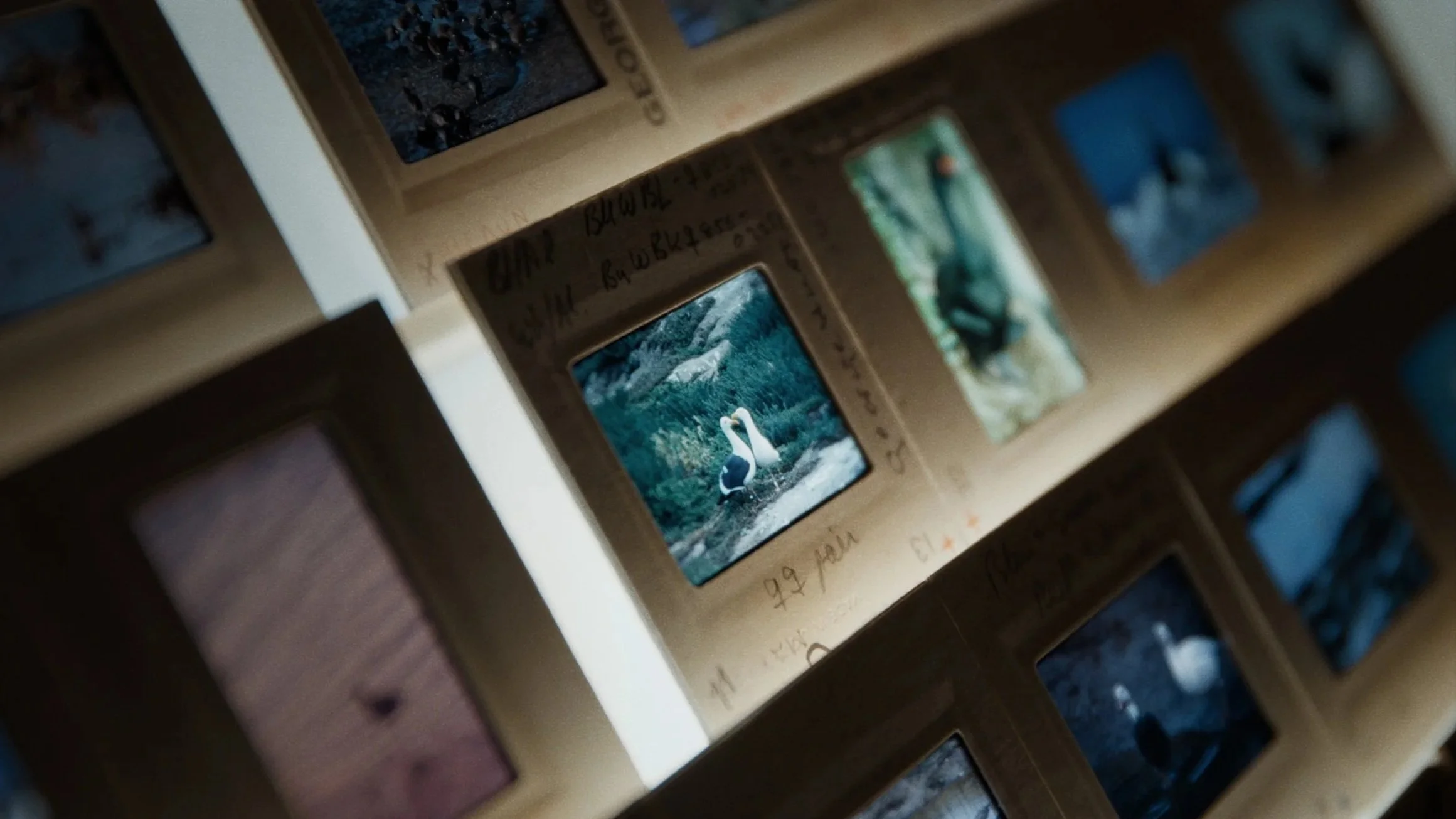
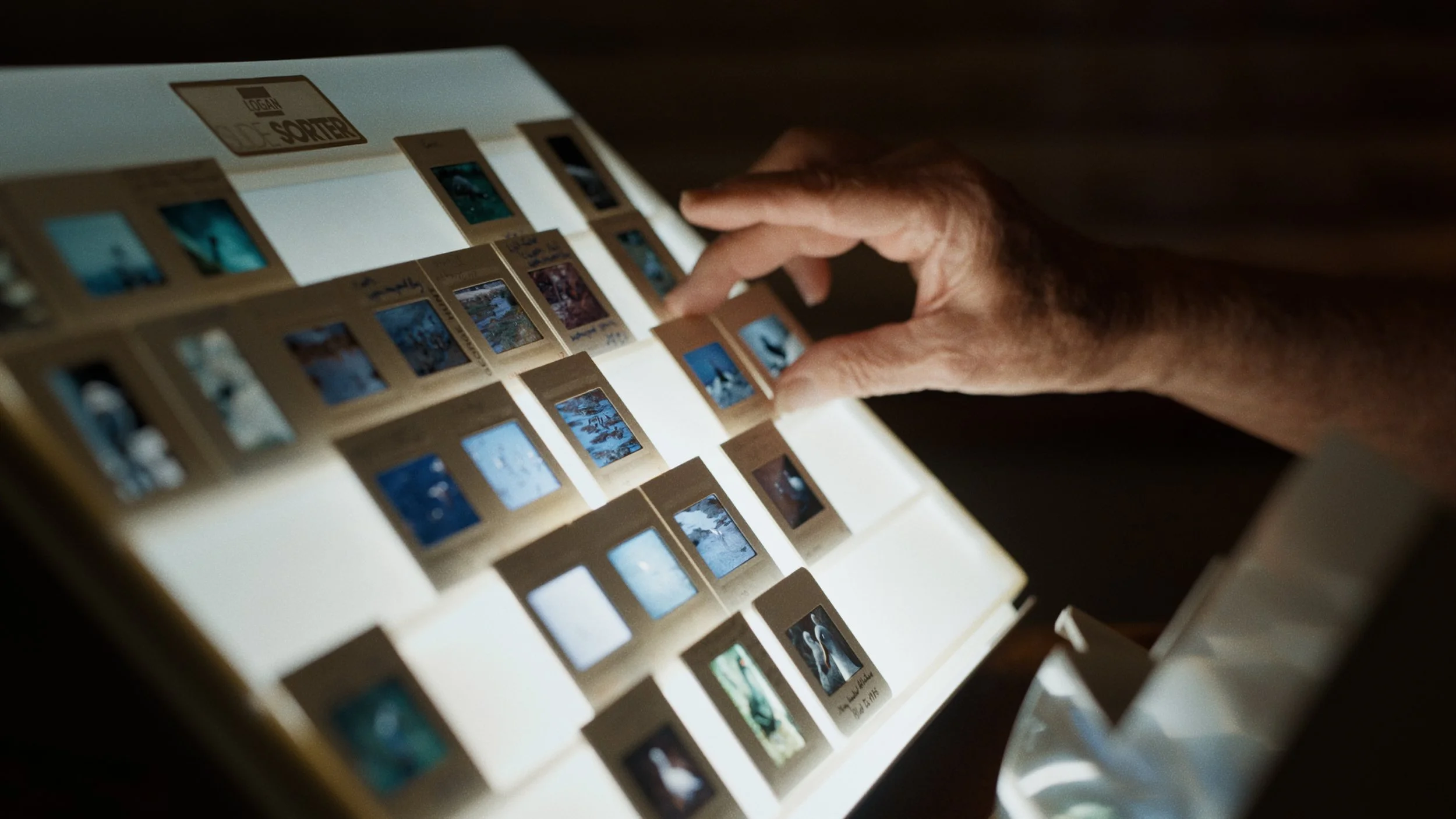
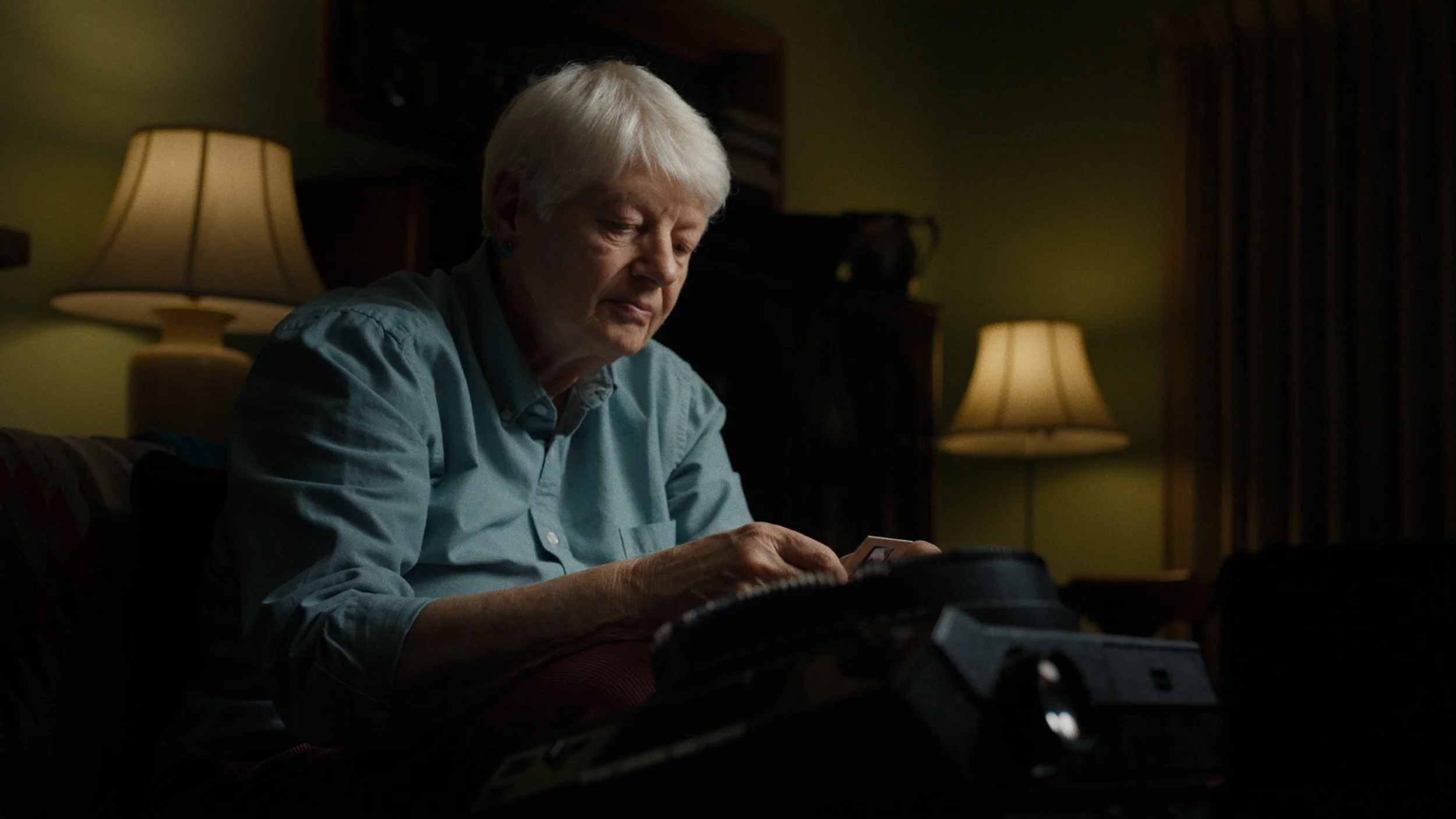
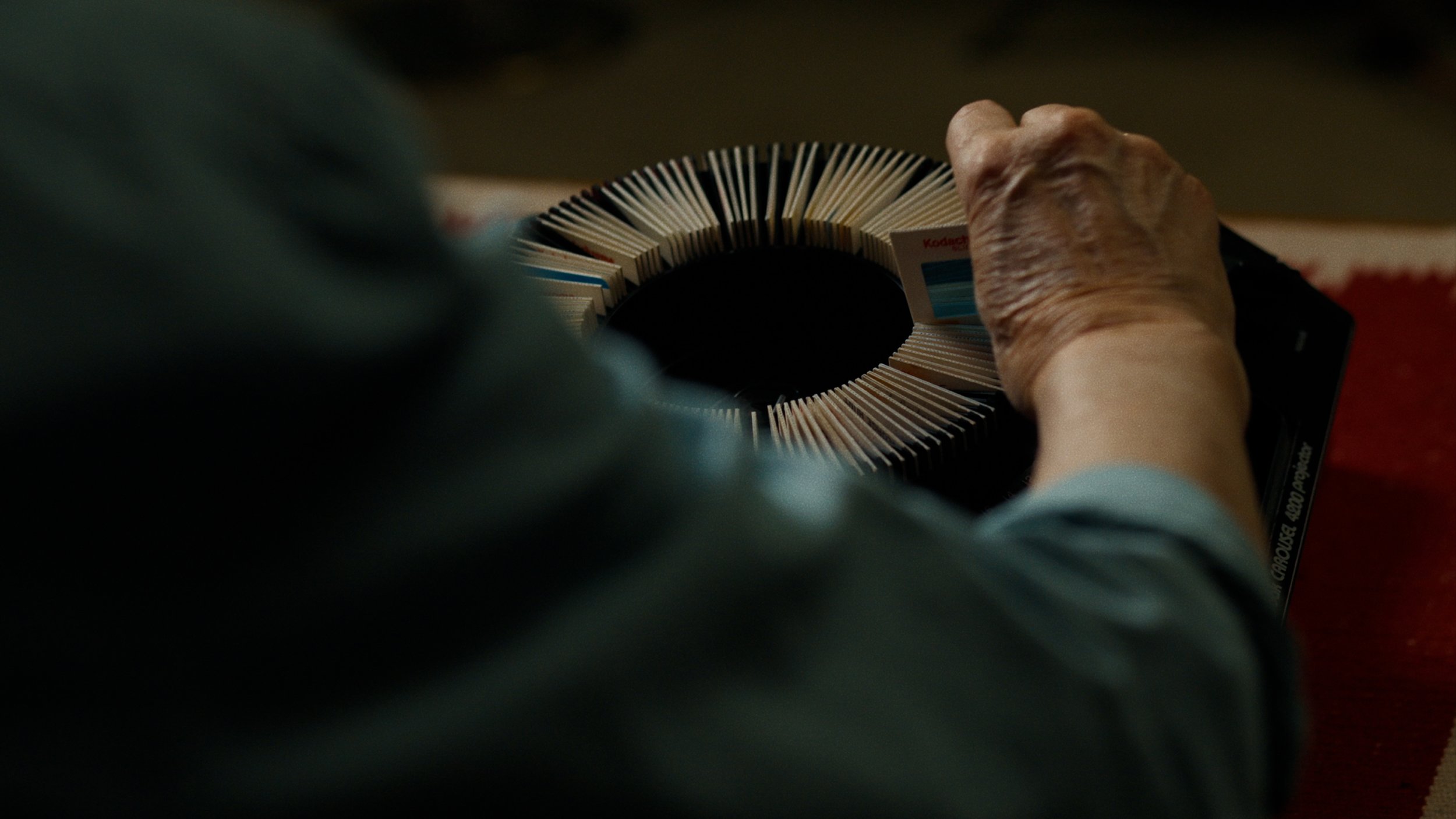
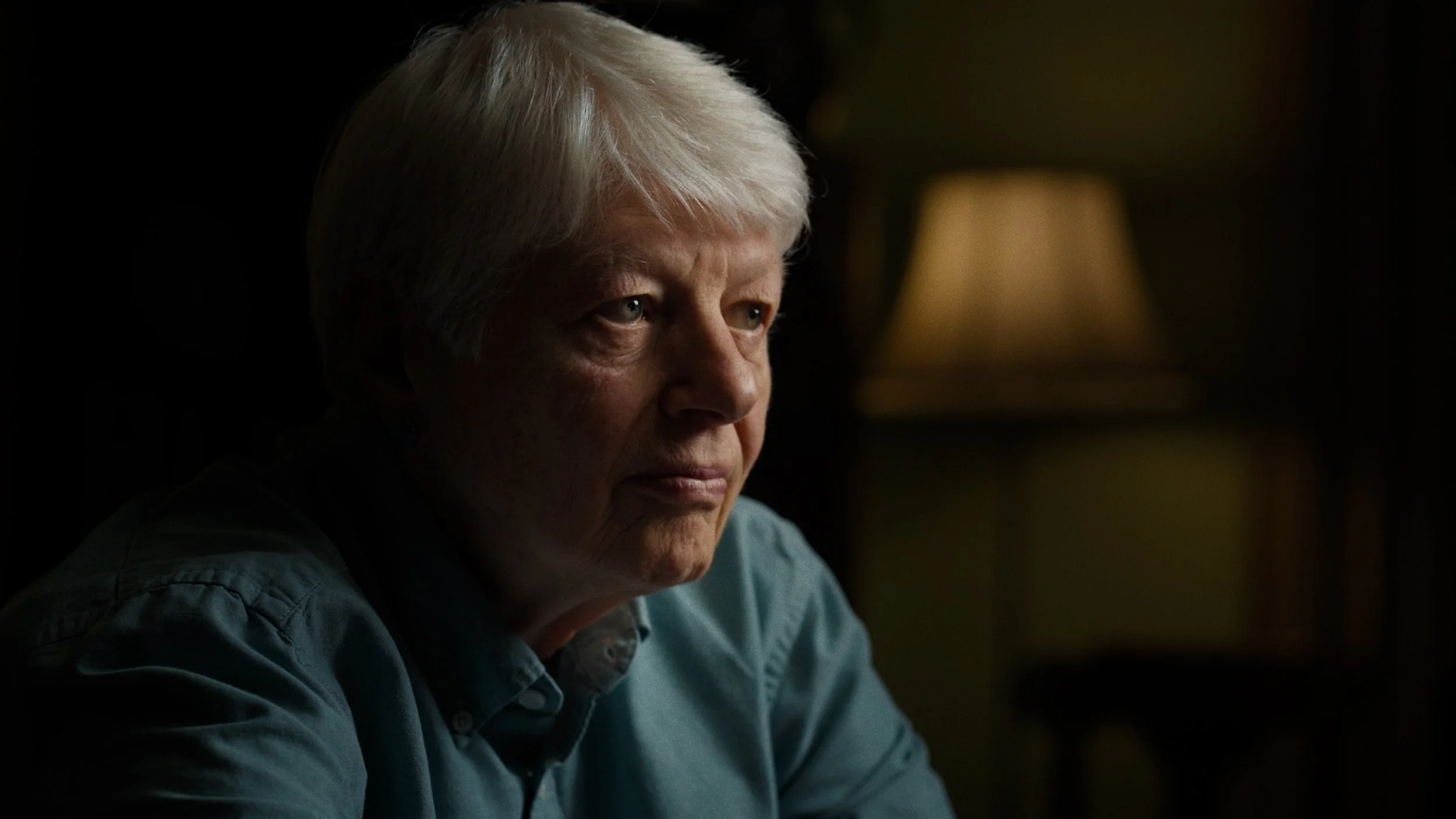
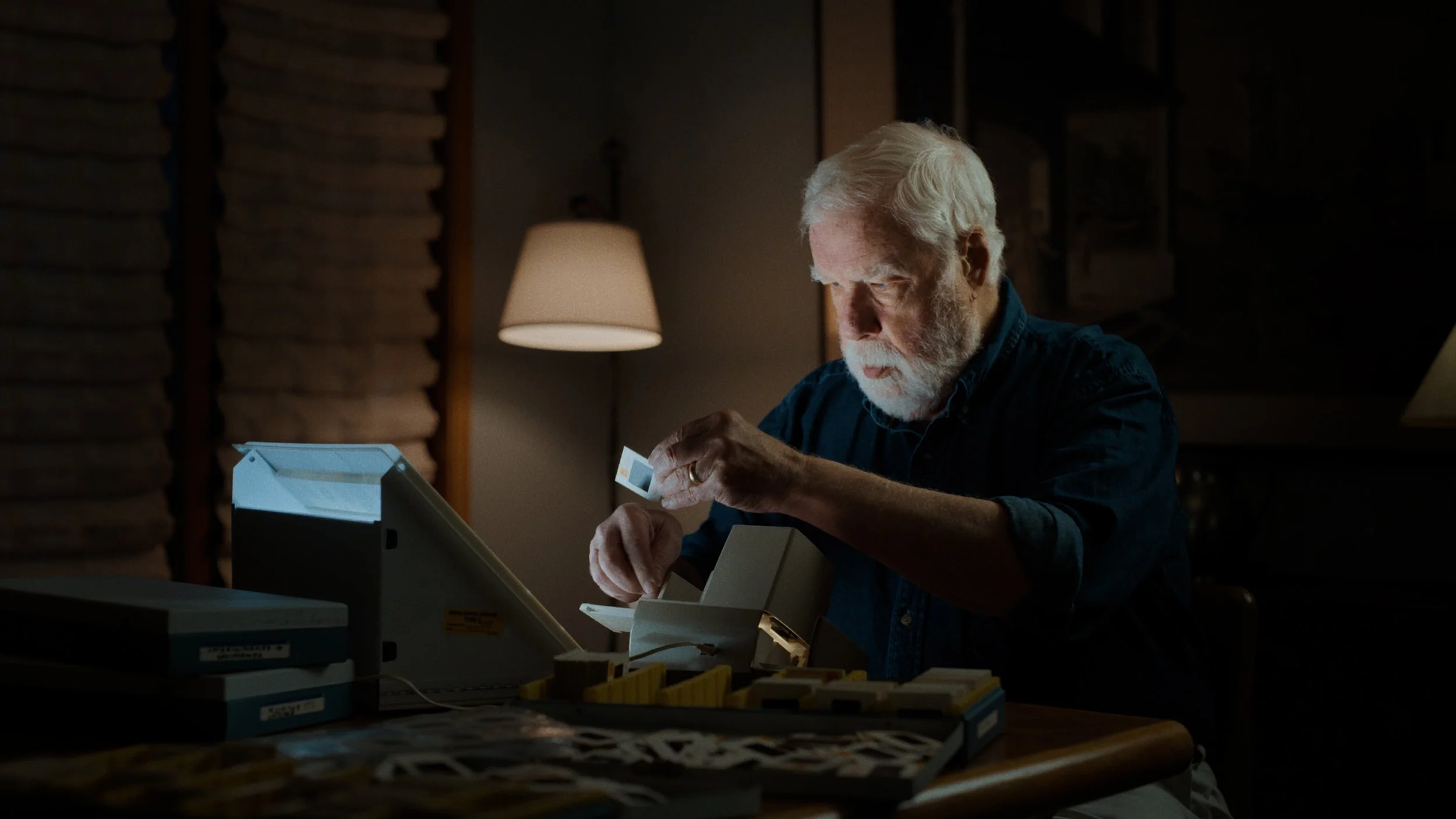
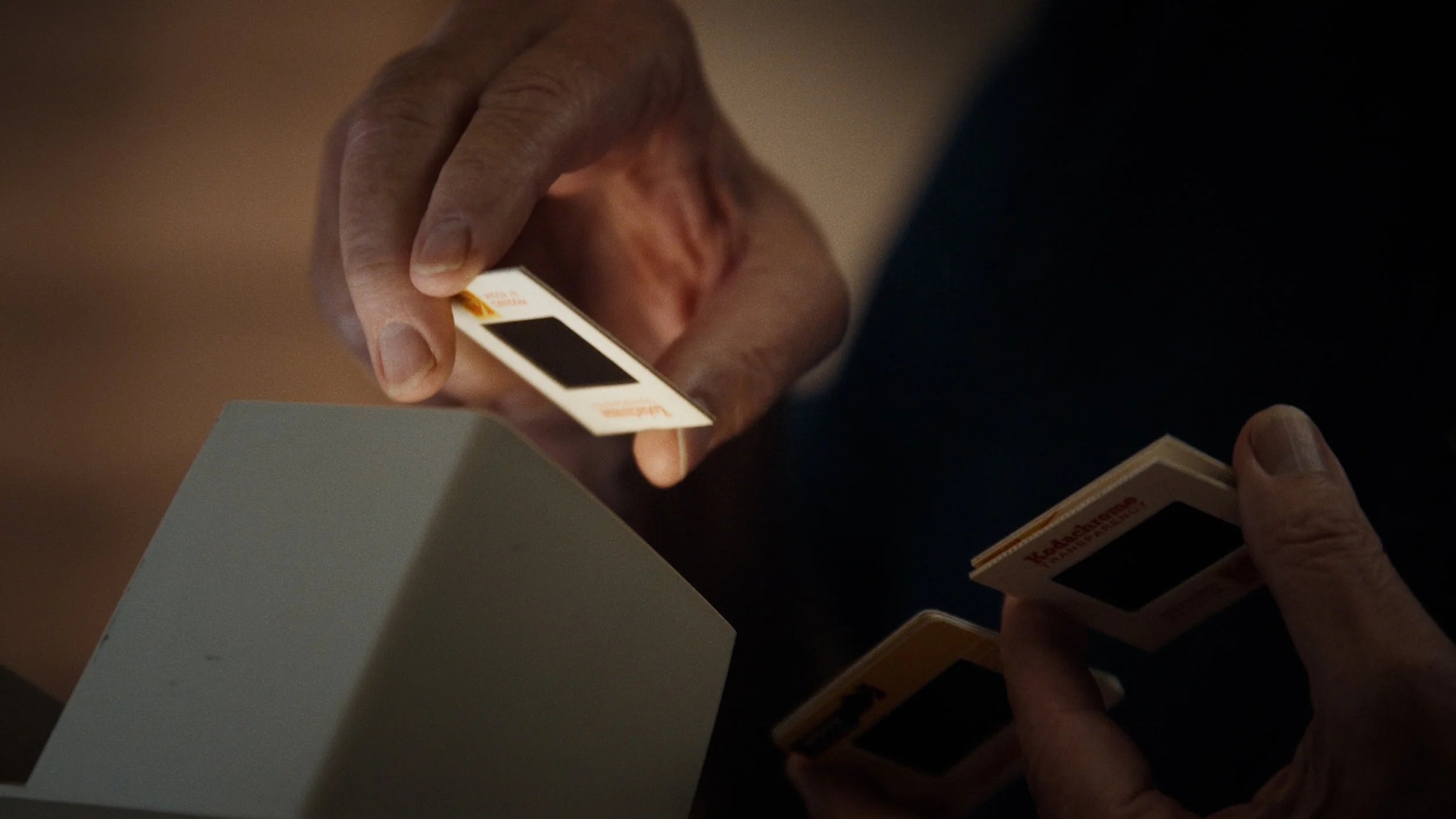
Our final challenge was to ground the archival photos in present-day scenes. We shot four setups of George and Molly viewing old Kodachrome slides, intended for use throughout the edit:
Molly alone, viewing slides with a projector
George alone, using a slide viewer and arranging slides on a lightbox
George and Molly together, watching slides on a projector
The two of them reviewing slides and newspaper clippings at a dining room table
We filmed each setup day-for-night, blacking out windows so practical light sources (lamps, the slide viewer’s bulb, etc.) could shine. These options gave Angel the editorial flexibility to isolate each character during emotionally challenging moments or show them together during points of connection.
Final Touches
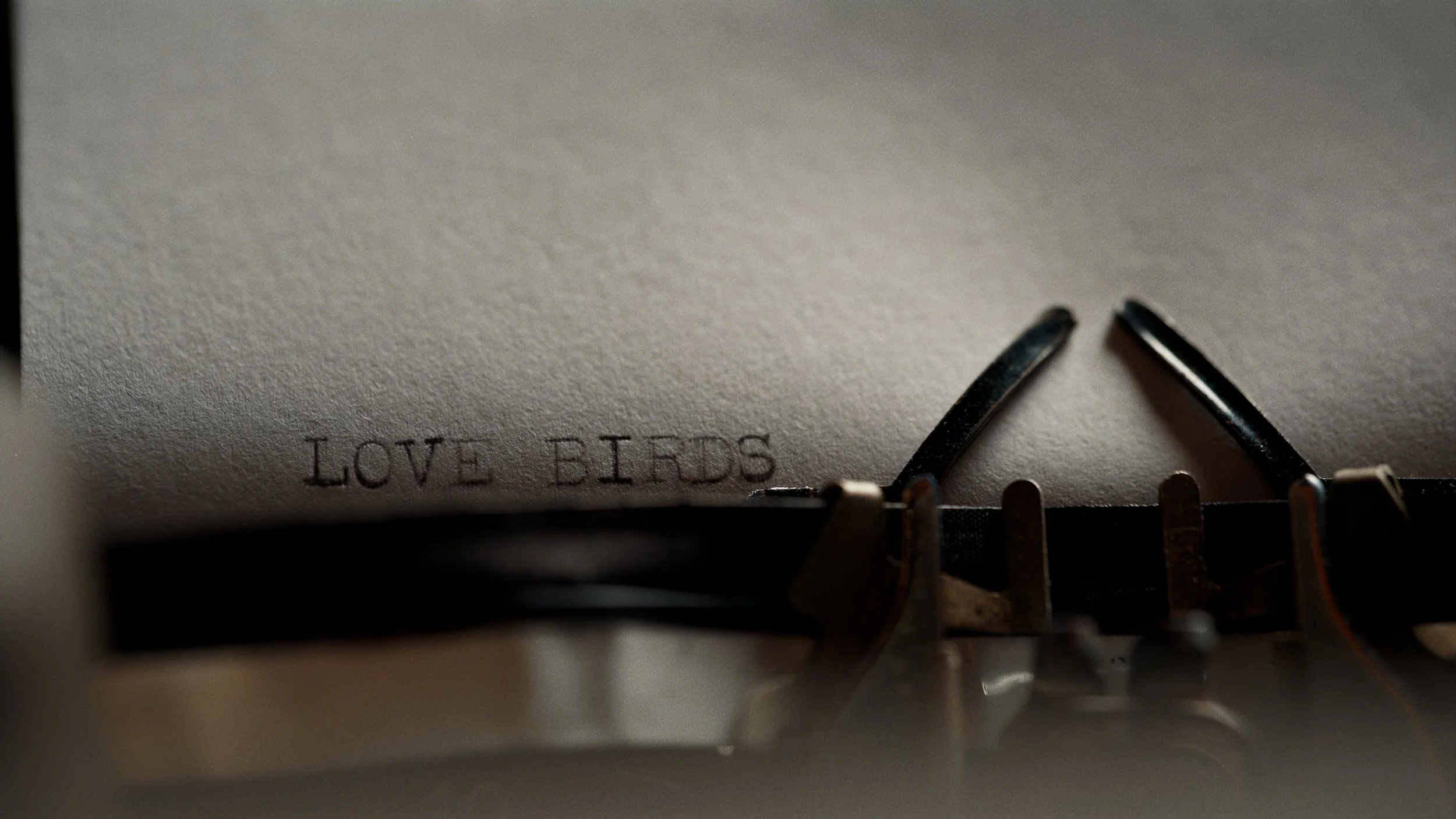
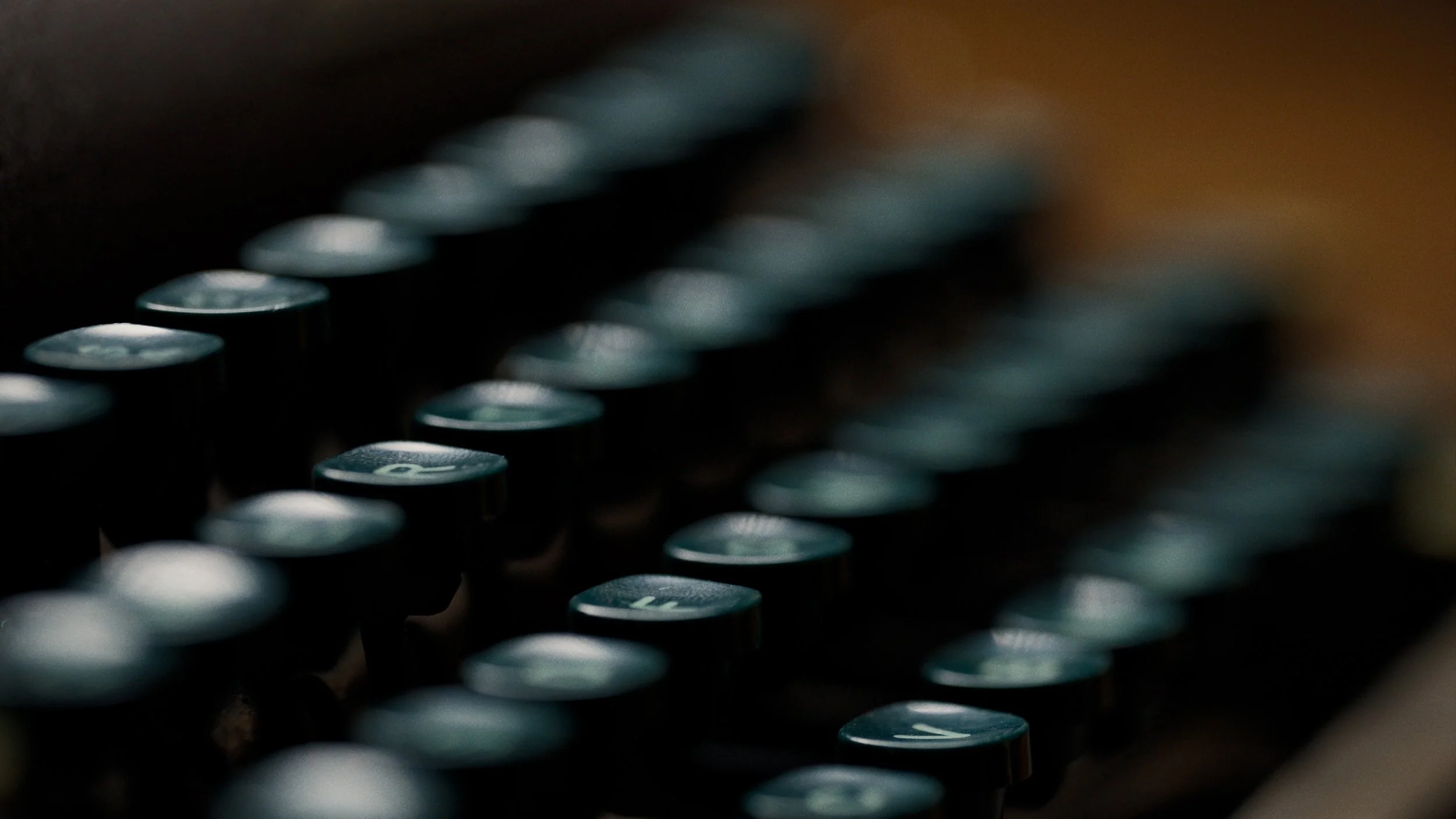
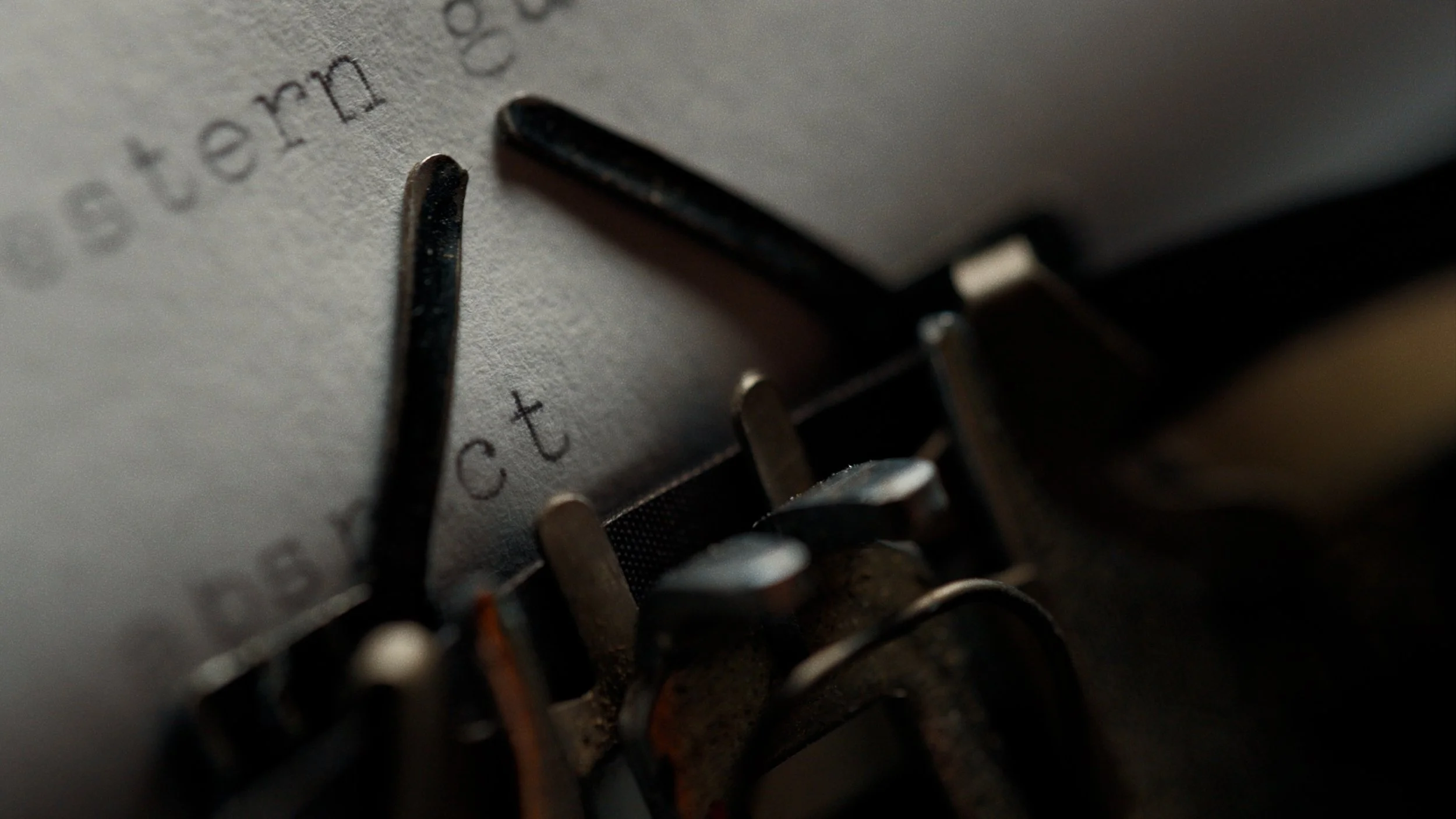
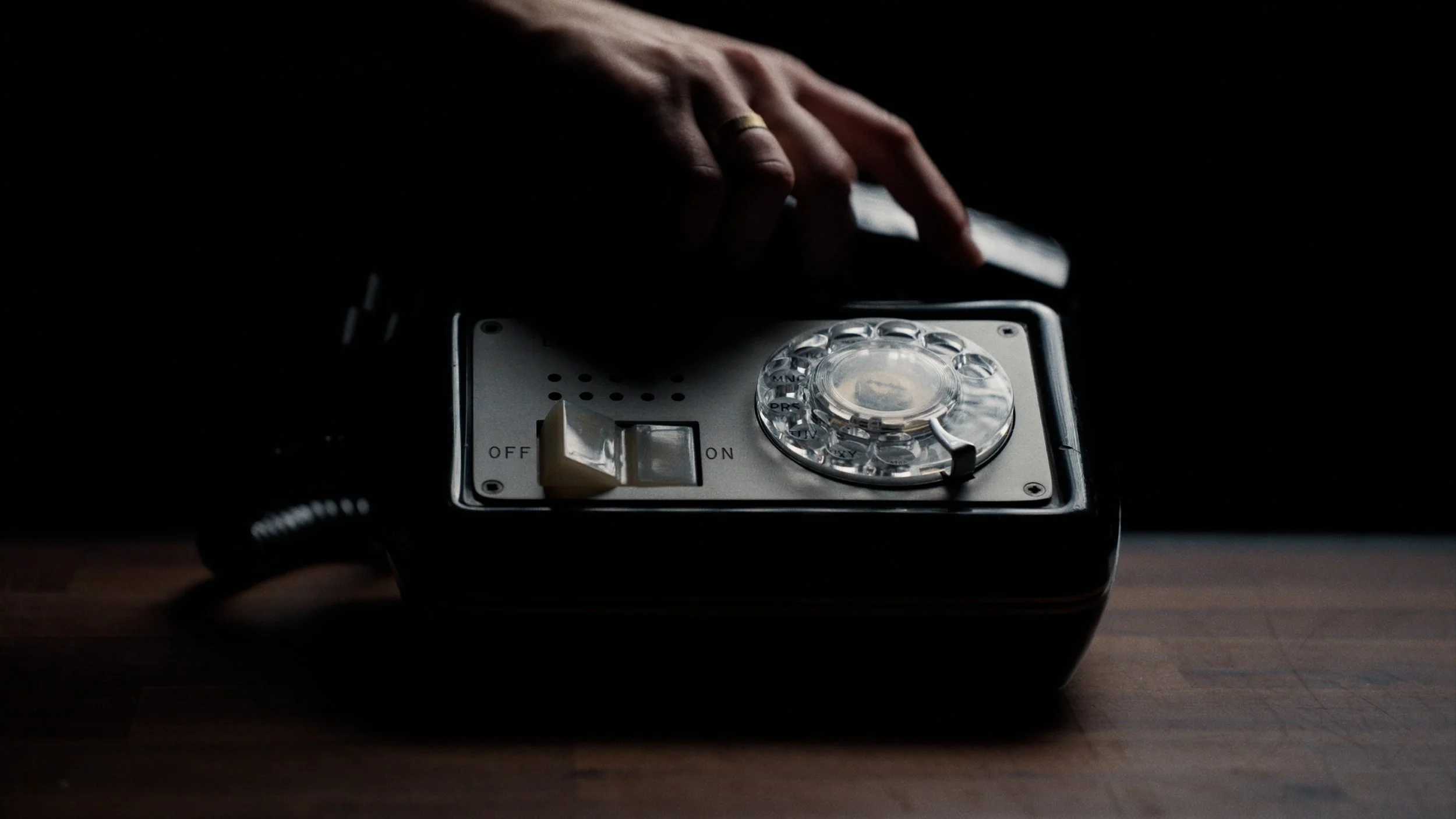
As the edit came together, we realized we needed a few additional pieces to help things gel. With a $200 budget for the “art department”, Angel and I visited a thrift store and picked up a typewriter, rotary phone, and radio. We lit each prop with a softbox and spent a couple of hours filming macro shots — typing, dialing, turning knobs, etc.
Angel used these inserts to energize a few important story beats: the moment Molly and George type up their first version of the seagull study, the phone “ringing off the hook” after their publication in Nature, etc.
Collaboration
We had a dream team for this film:
Elliott Kennerson directed and wrote the script.
Angel Morris directed, edited, and wrote several themes for the score.
Mike Morrell recorded field audio during our boat trip.
Jeremy Roberts, Nova West, and Matthew Busch helped film seagull behavior on Anacapa Island.
Sam Wolff and Georgia Krause provided G&E support during our Seattle shoot.
Katy Garrity surfaced archival footage and wrangled clearances.
Stephen Derluguian made our footage come alive with a stunning color grade.
Ott House Audio designed and mixed the sound.
Seth Samuel composed and performed the original score
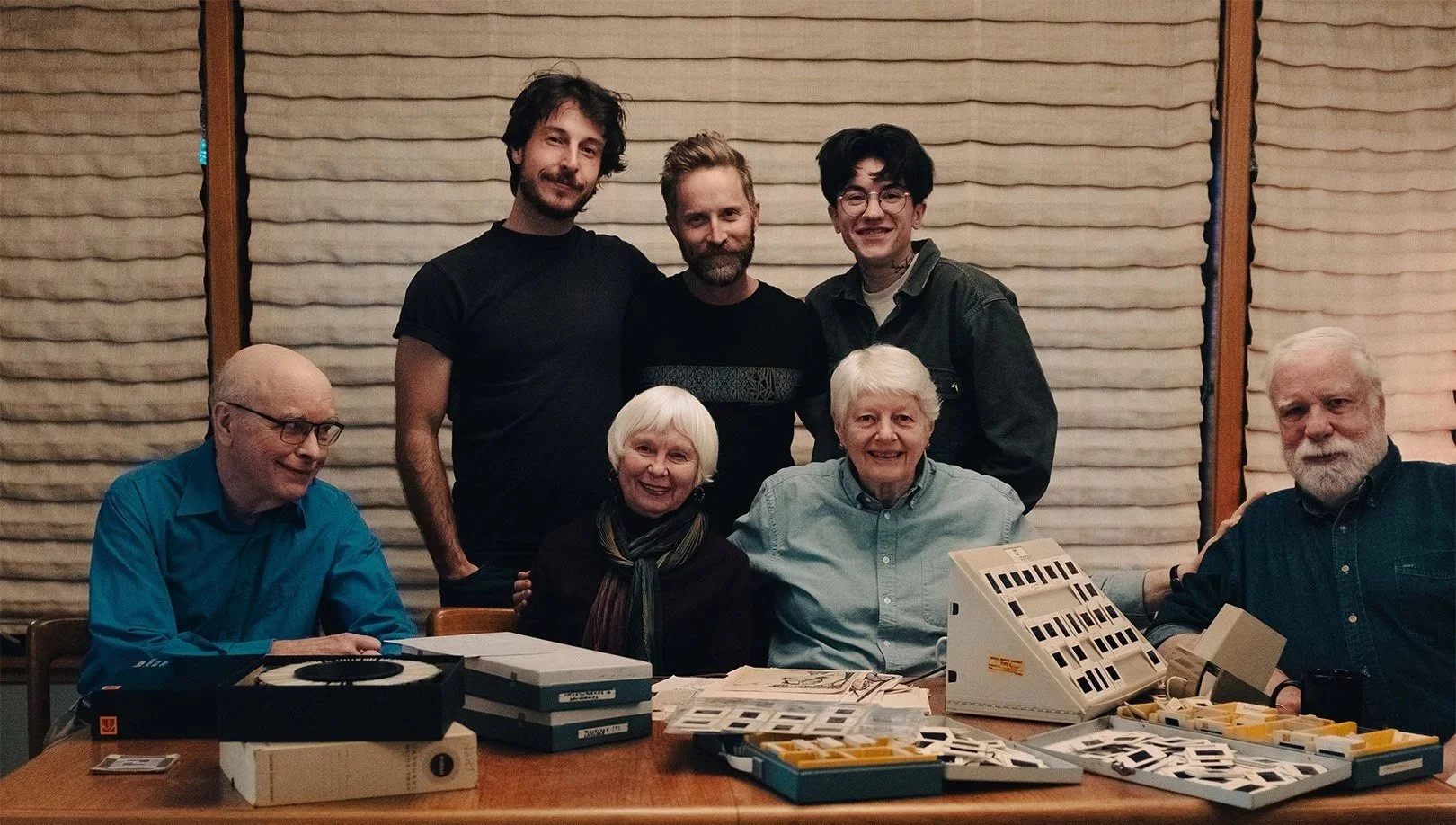
Image by Georgia Krause
Results
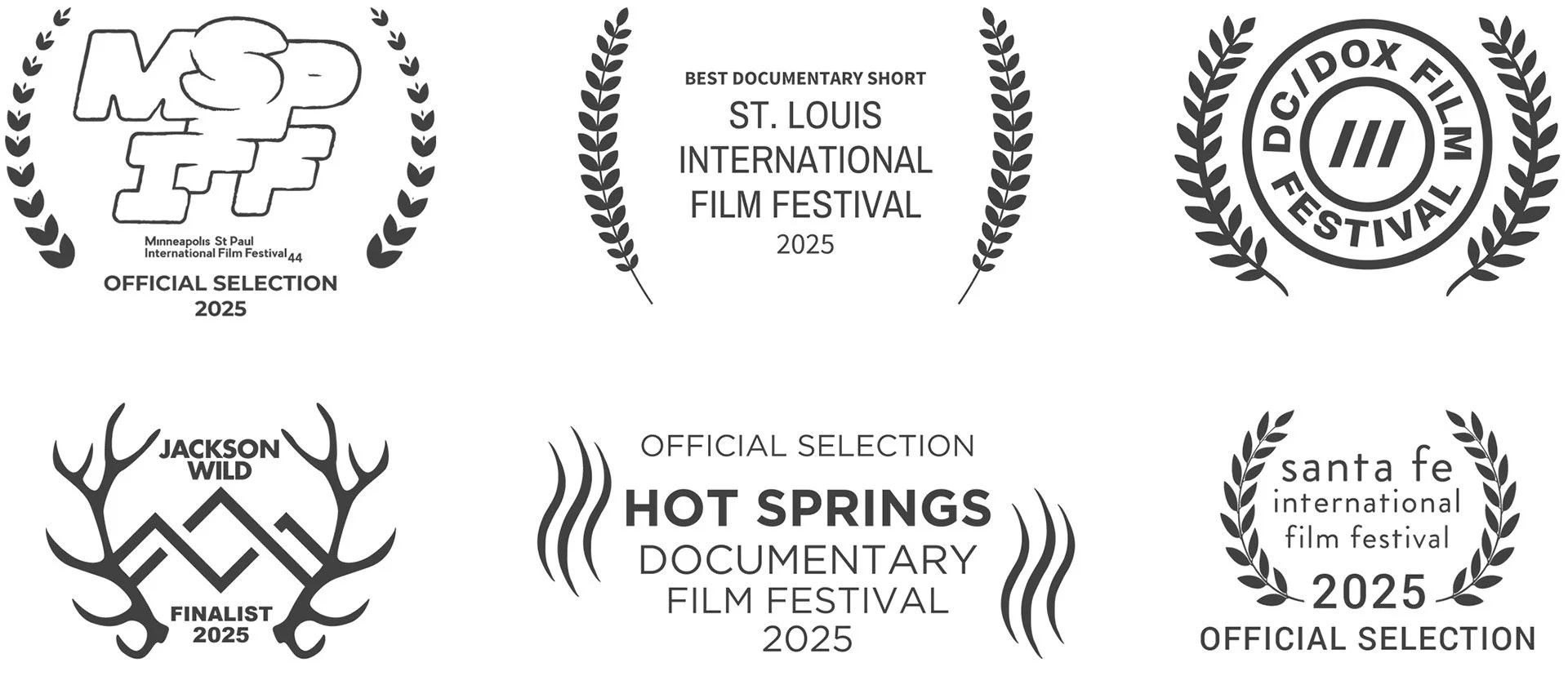
Love Birds premiered at the Minneapolis-St. Paul International Film Festival in April 2025 and has since screened at more than 20 festivals worldwide, including DC/DOX, Hot Springs, and Flickers Rhode Island. At the St. Louis International Film Festival, it won the Jury Award for Best Documentary Short, qualifying for the 2027 Academy Awards.
The film also received Best People & Nature - Long Form and Best Editing honors at the 2025 Jackson Wild Media Awards.
In 2026, Yahoo and the Nonfiction Hotlist selected Love Birds for their curated list of short documentaries. The film is available to stream here.