BROADCAST SERIES
Human Footprint
Editing the Emmy-nominated series for PBS
ROLE: EDITOR
Earth is home to more than 10 million species, but the actions of one species (us) affect every other. Human Footprint follows evolutionary biologist Shane Campbell-Staton as he travels the world to explore our global impact.
When the series returned for a second season on PBS, I joined the team as an editor. Over the course of a year, I cut 18 of the season’s 30 segments, condensing hundreds of hours of footage into an upbeat adventure in science storytelling.
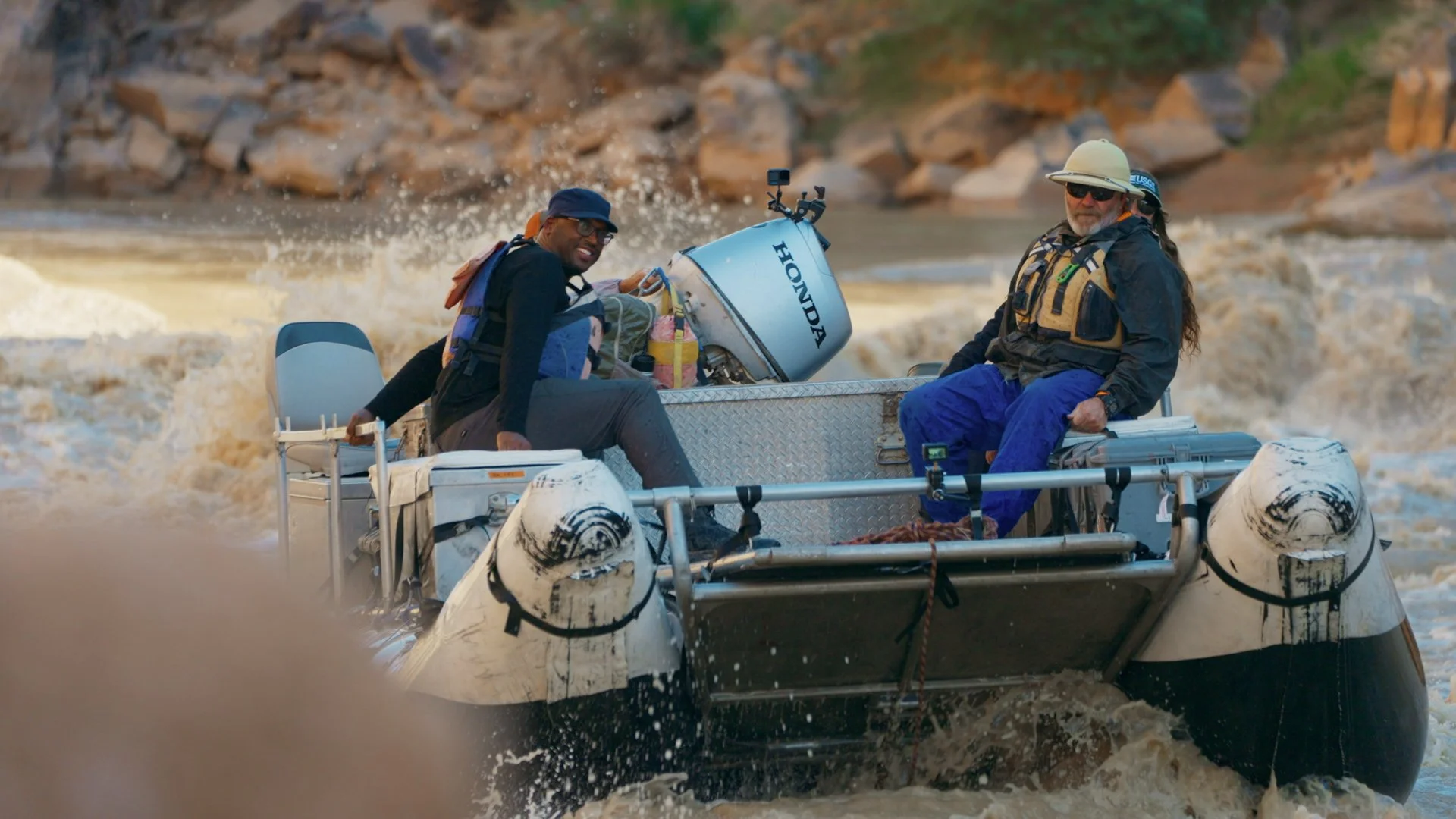
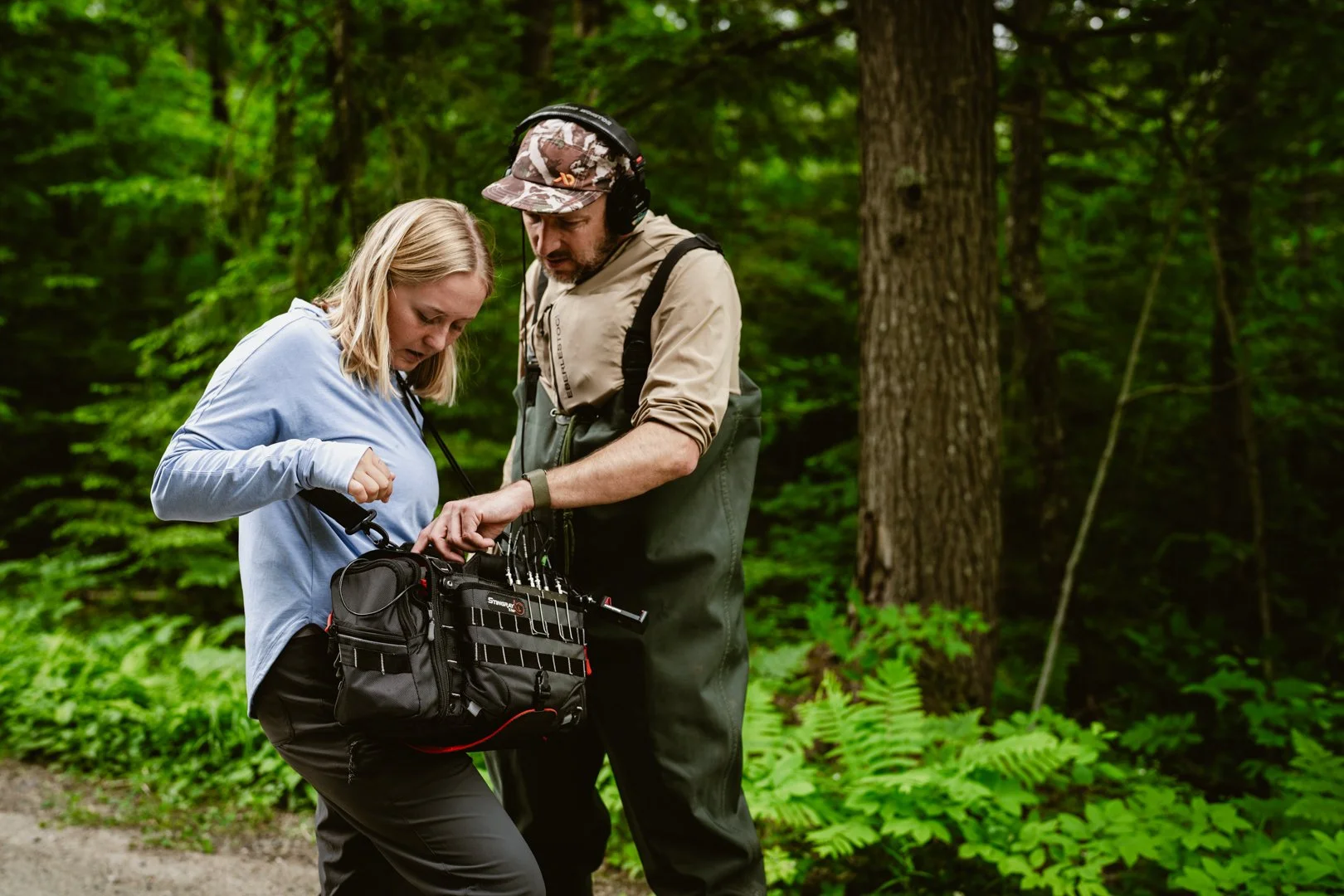
Image by Day’s Edge Productions
Challenges
From green light to air date, we had a brisk eighteen months to deliver six hours of television. This pace required:
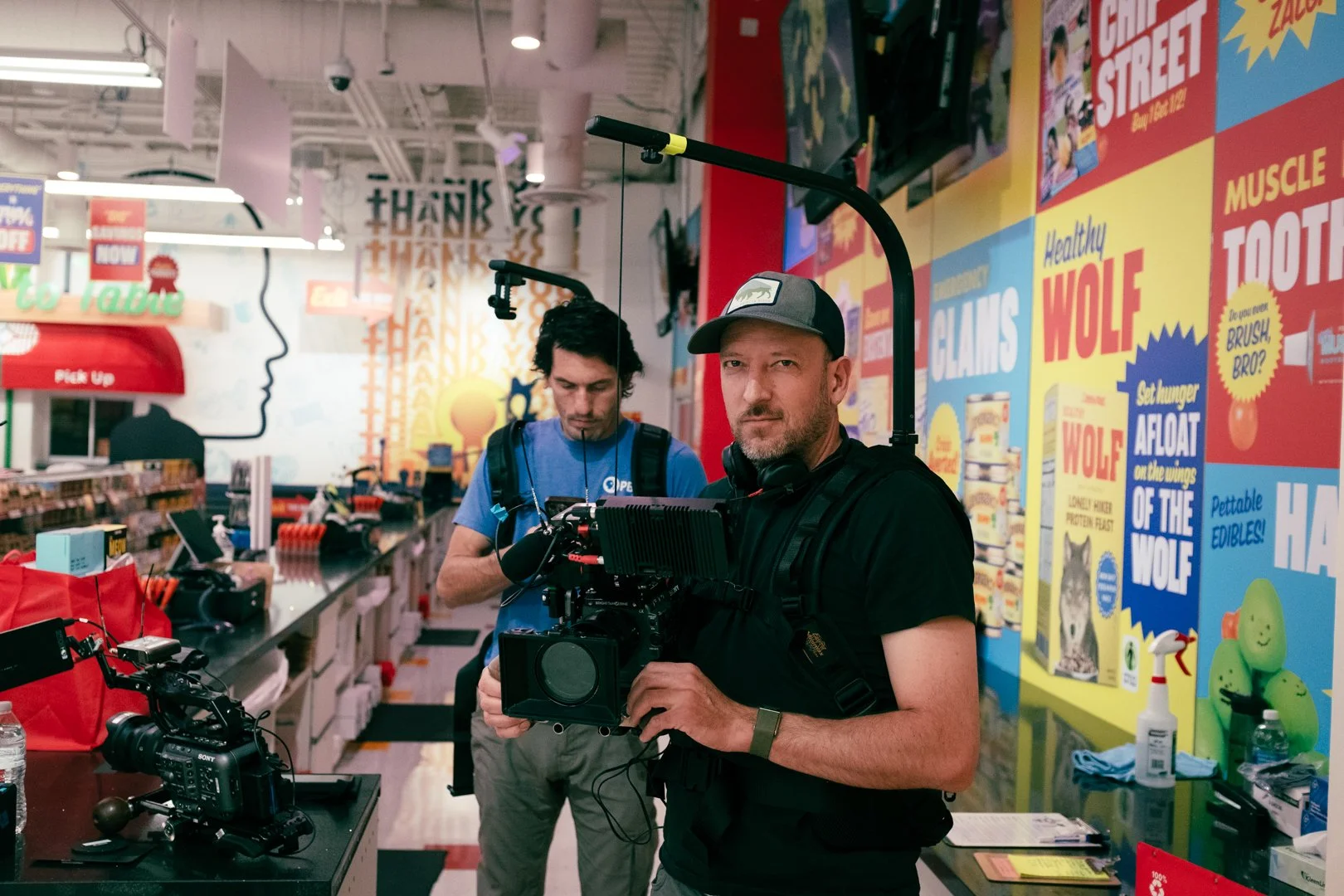
Quick thinking: With an average of three shooters and six cameras per crew, we had a lot of footage to review, between 40-80 reels for each 12-minute segment.
Self-direction: With the directors focused on field production, I often built the visual story from scratch.
Sound design: Since the show’s editorial style relies heavily on SFX, directors needed to hear provisional sound design as early as the rough cut.
Exploration and Solutions
Find the Pivots
Work on every segment began with a script and a dialogue stringout. I would play the audio against the text, hunting for "and," "but," and "therefore" moments in the story. Once I mapped these turns, I built a playlist in Epidemic Sound with several music options for each beat.
My guiding question was always: “How do I want the viewer to feel here?” I would isolate, cut, and loop individual instruments to fit each track to the moment. By the end of this process, I’d have 10-15 cues arranged in an alternating pattern, creating a sense of movement through moments of intensity and release.
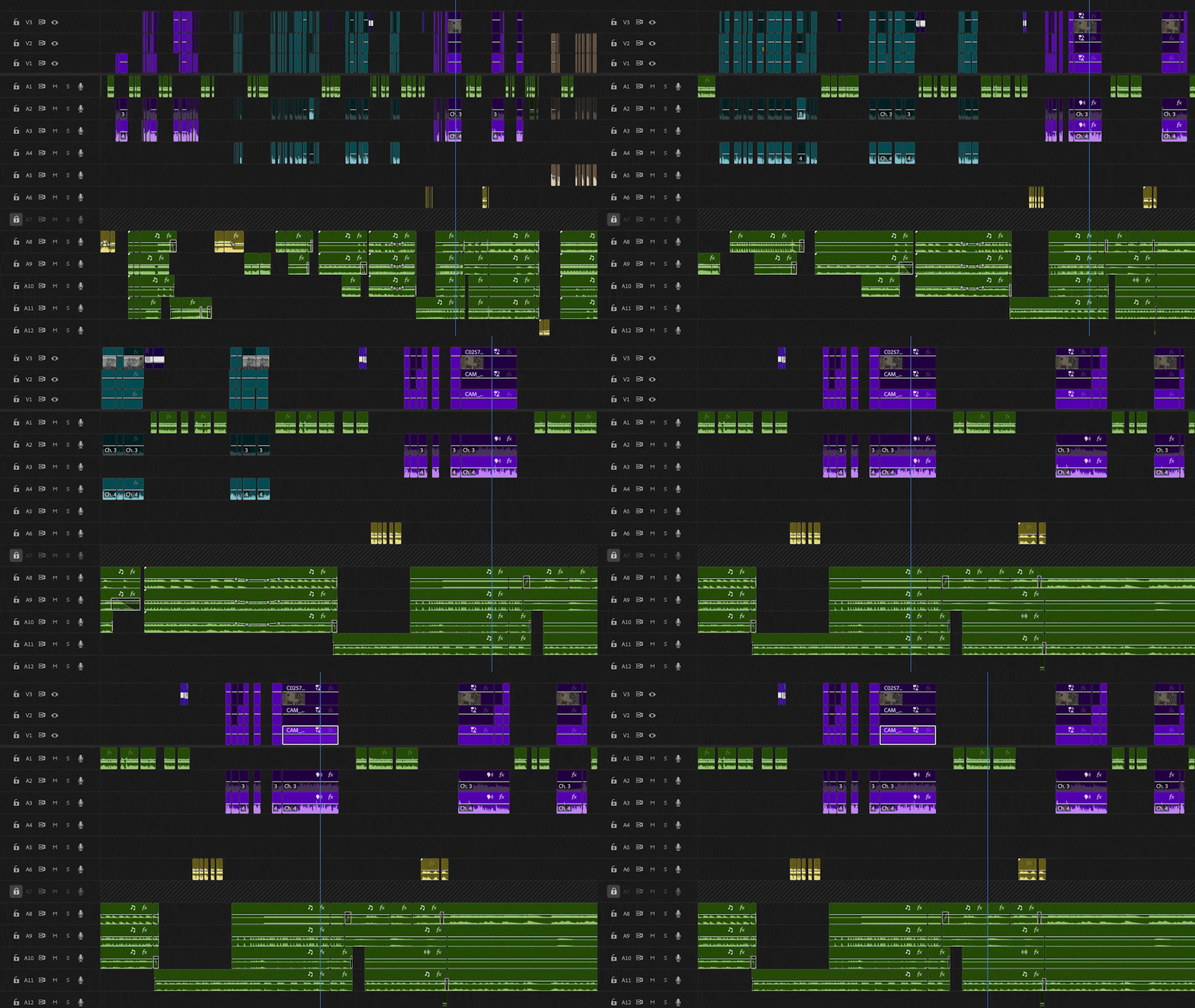
Visual Assembly
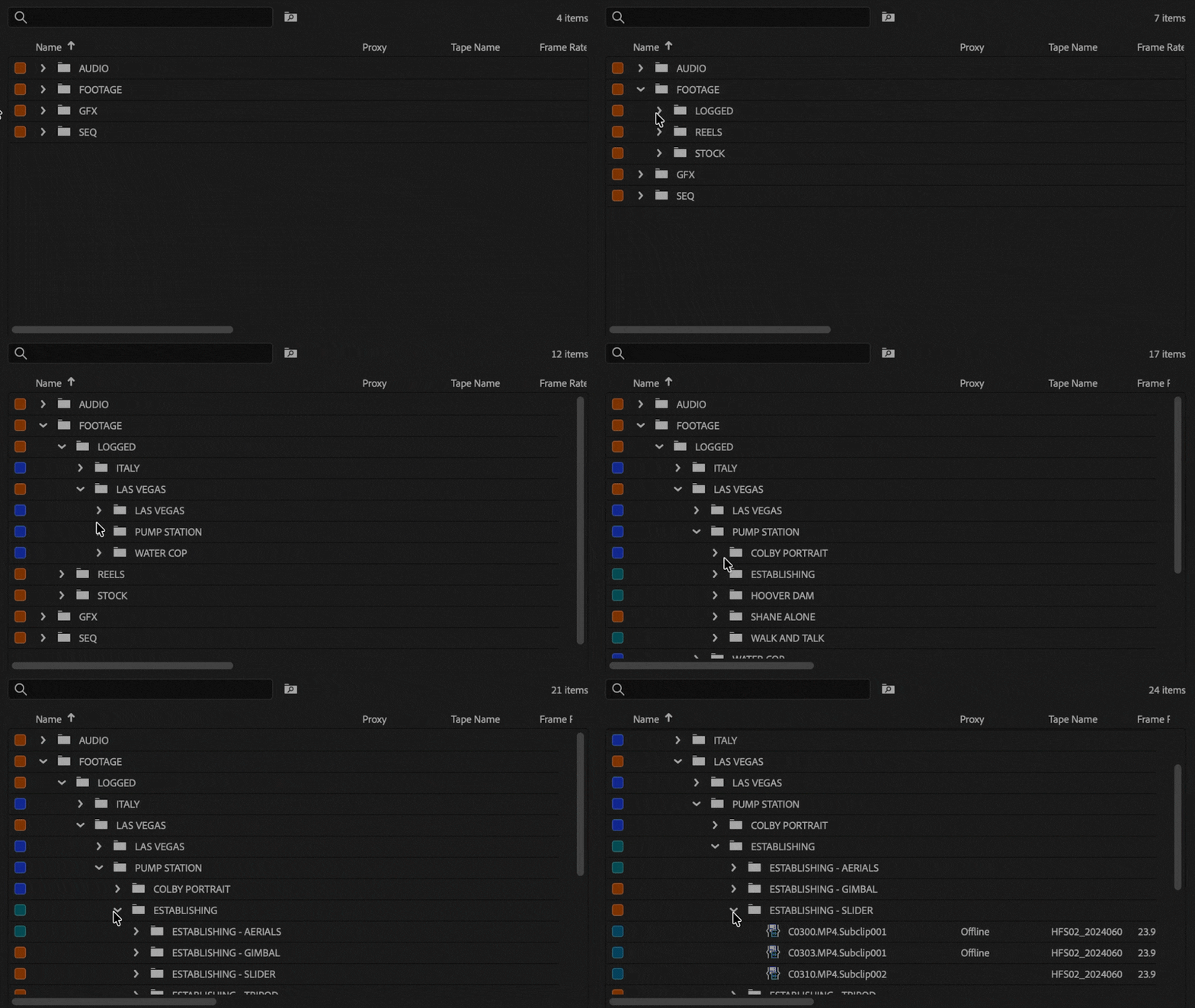
To find things quickly, I created detailed bin structures, organizing shots by location, setup, and camera format.
As my mental map of the footage clarified, I roughed visual sequences into the timeline, gradually refining my shot choices.
Stock and Archive
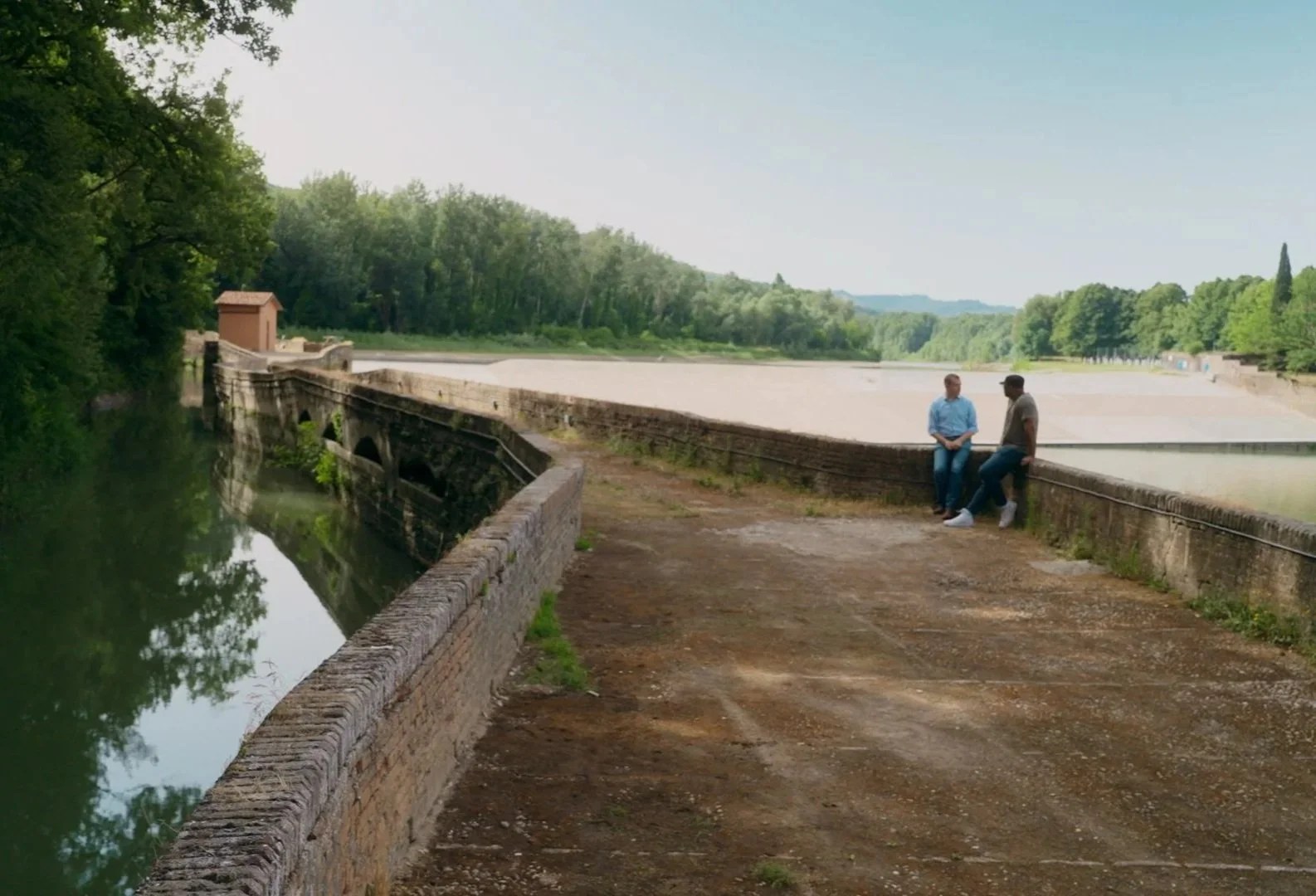
Human Footprint is an ambitious show: it explores subjects ranging from slavery in the global shrimp supply chain to Las Vegas’ water infrastructure. It’s really hard to film massive systems like this, so gaps in our visual coverage were inevitable. Whenever I encountered one of these gaps, I used stock footage and archive to help tell the story.
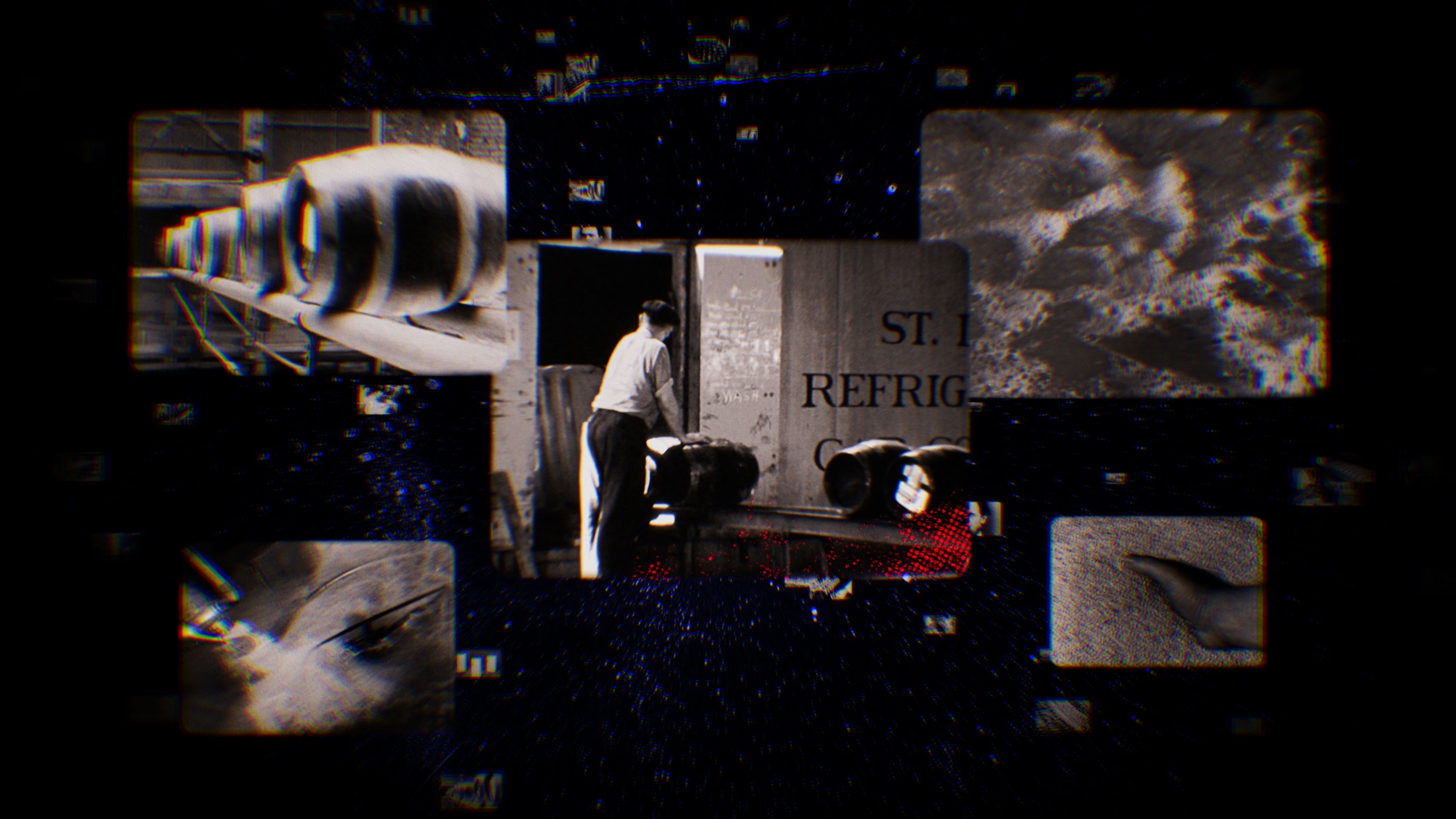
Throughout post, I also worked closely with archival producer Katy Garrity to find historical footage, which our animators at MK12 built into polished motion graphic sequences.
Cooking with Sound
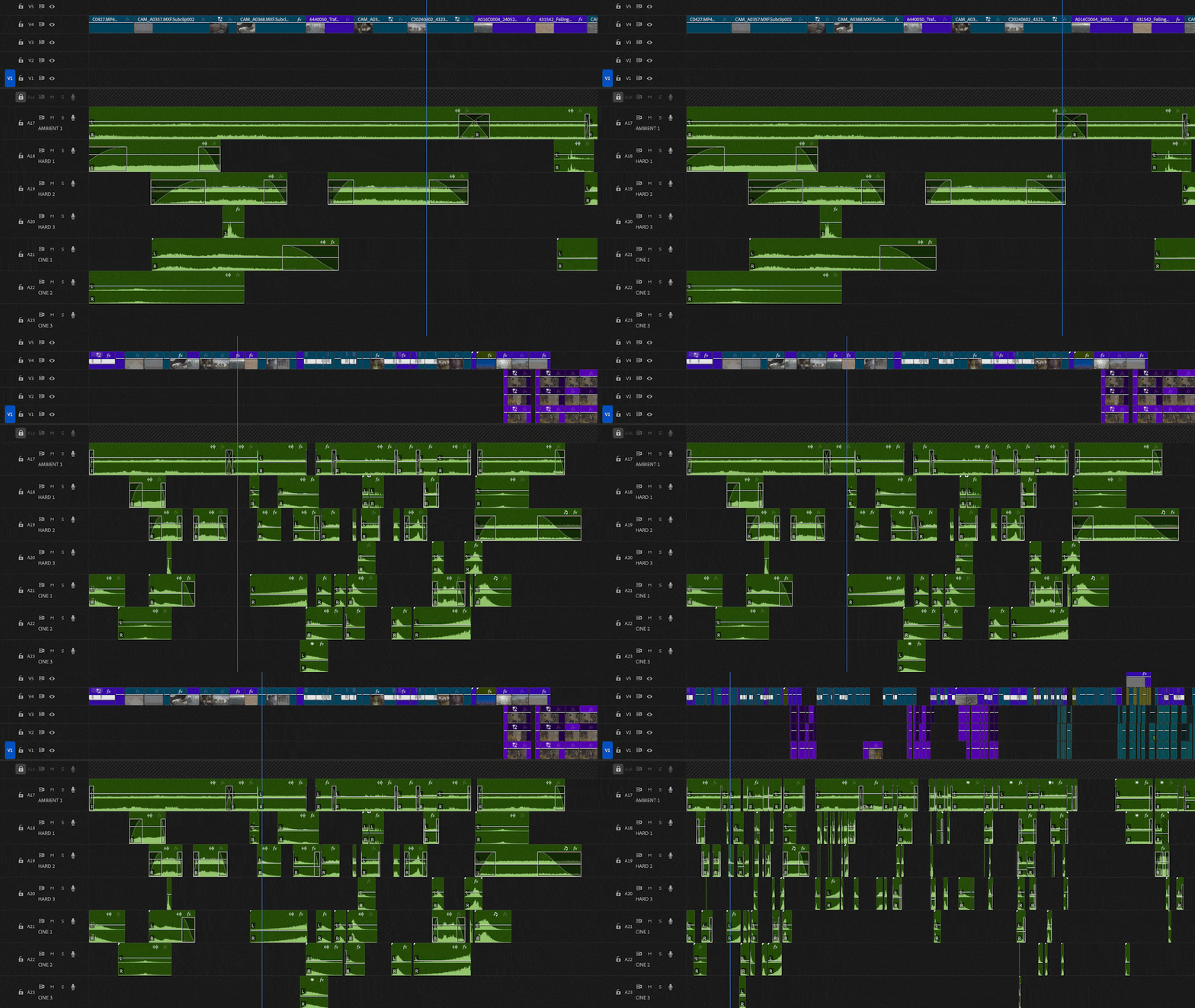
If editing a film is like cooking a meal, sound design is the sauce. Human Footprint relies on sound to justify its brisk visual pace, and while most productions wait until picture lock to begin this process, we added sound at rough cut.
At the beginning of each edit, I sent the designers at Ott House Audio an SFX wish list based on the dailies. Within a few days, they’d send over a package of effects for me to use in the cut. This workflow helped us achieve a detailed soundscape early in the process, giving the directors a clear vision while easing deadline pressure for the mix engineers downstream.
Supervising the Season
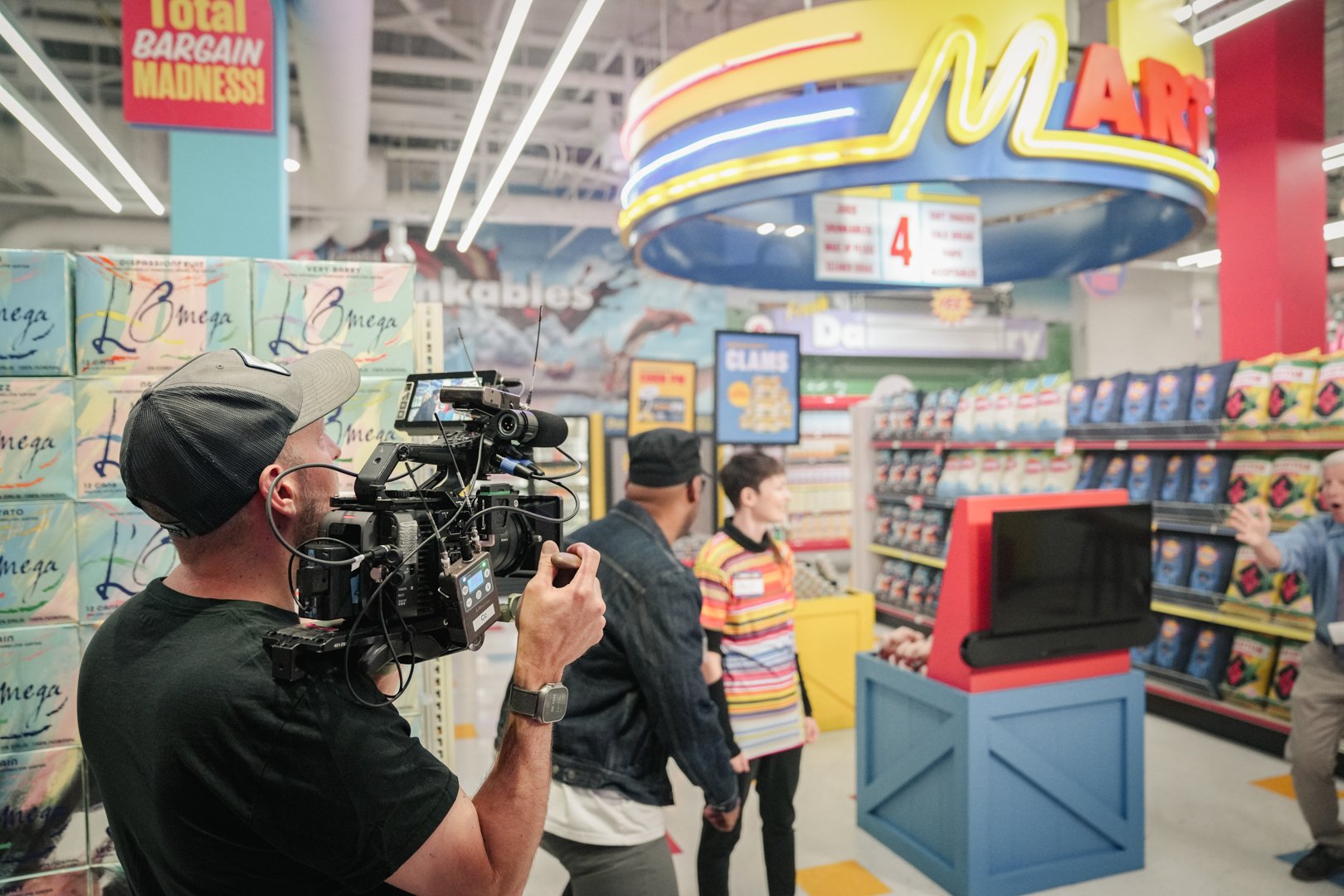
As work continued, I took on other segments where work had stalled. Eventually, I became the supervising editor for two episodes (Shelf Life and Dammed if You Do).
In this role, I reworked sequences across each episode, making sure everything gelled stylistically, conforming the final locked cuts to PBS’s broadcast clock (down to the frame!), and onlining footage for sound and color.
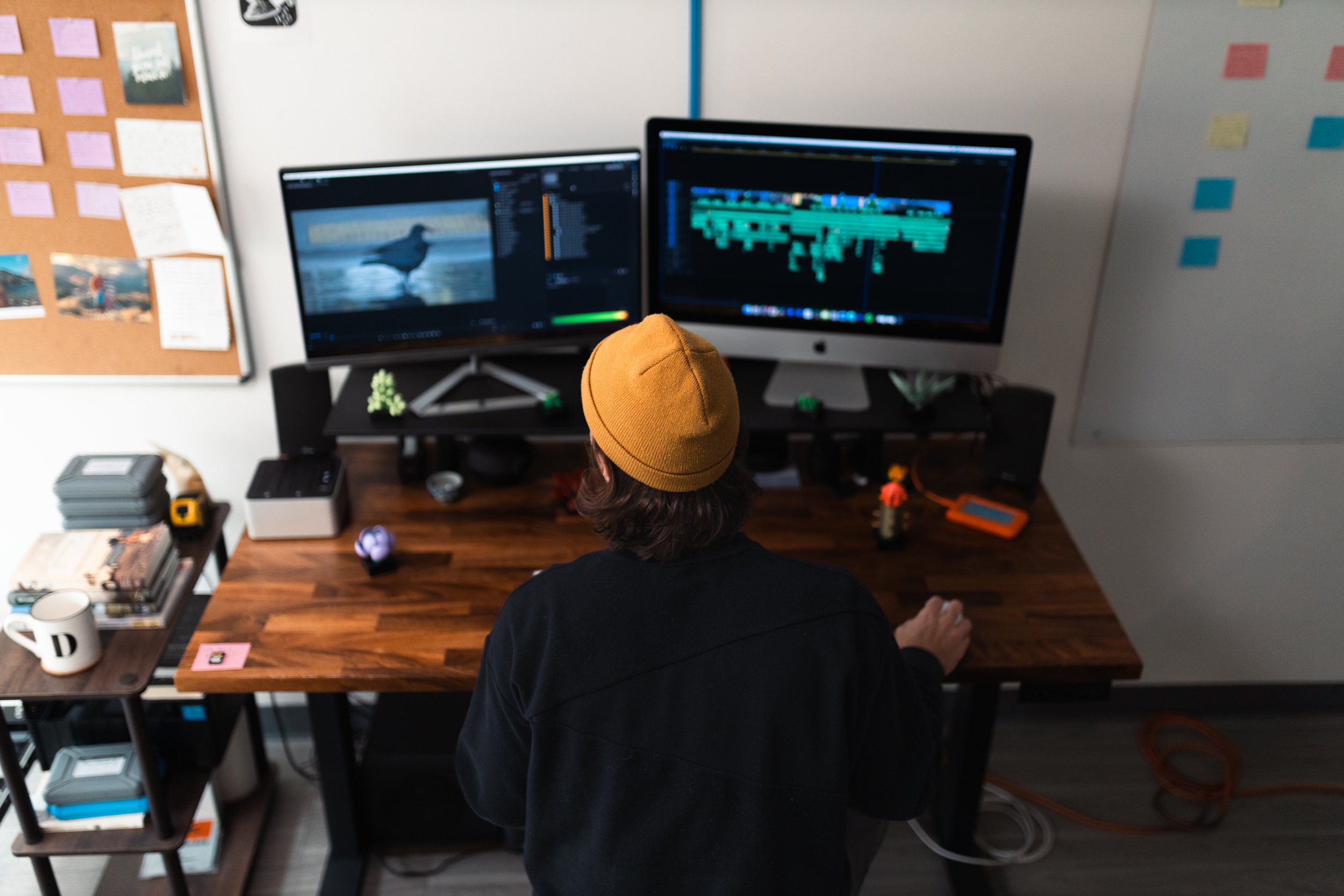
Image by Angel Morris
Collaboration
Lots of talented people worked on Human Footprint. Here are a few other folks who contributed to post-production:
Nate Dappen and Neil Losin wrote and directed the series, with co-direction from Page Buono and Rick Smith.
Post-production supervisor (and fellow Virgo) Elliott Kennerson kept us all in line and on time.
I worked alongside fellow editors Austin Andries, Andy Laub, and Angel Morris.
Assistant editors Sami Van Praet, Christian Healy, and Franky Hanen helped manage the enormous volume of footage coming in from the field.
Kori Price, our production manager, kept the show running while cranking out beautiful call sheets.
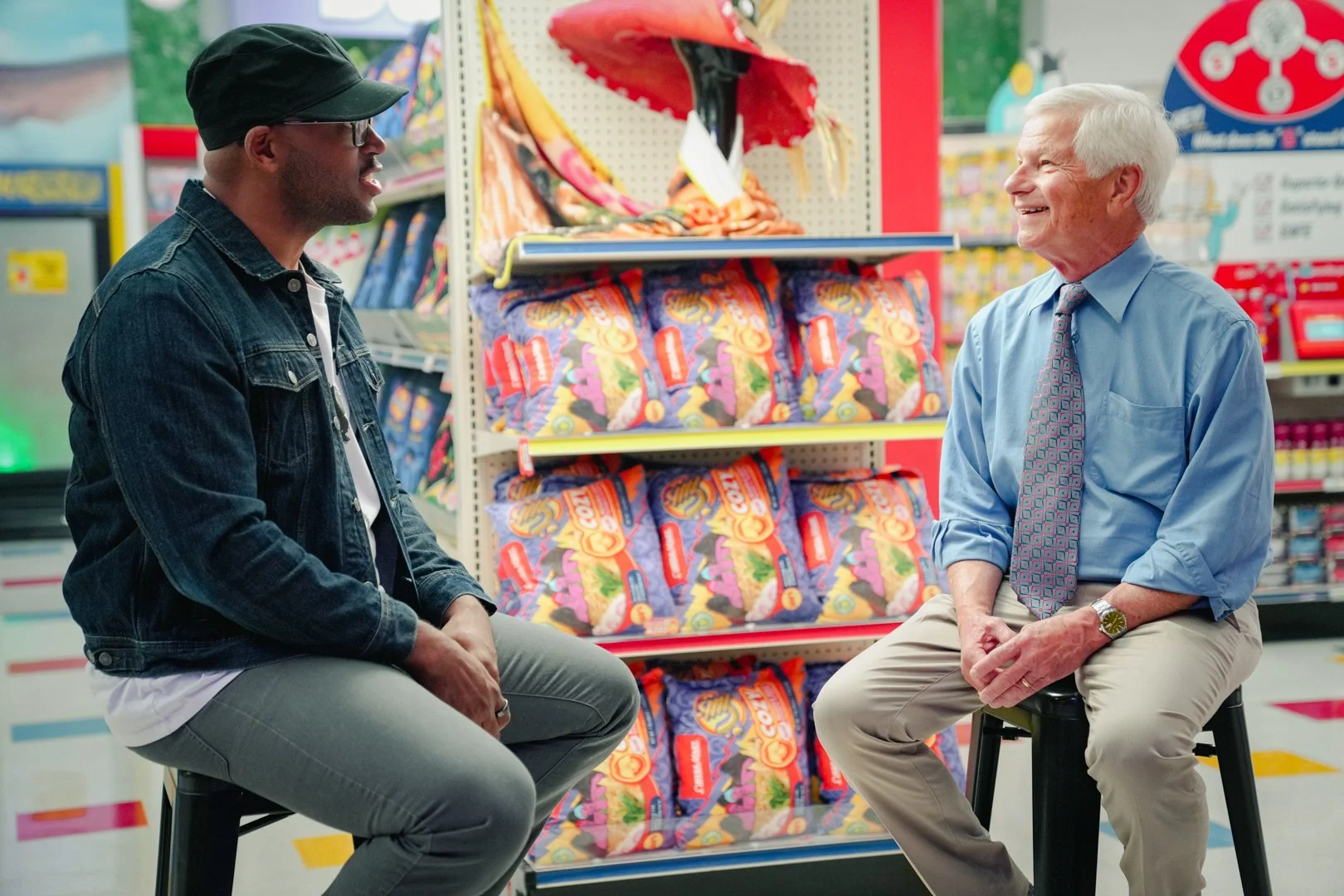
Shane Campbell-Staton brought the magic as our series host.
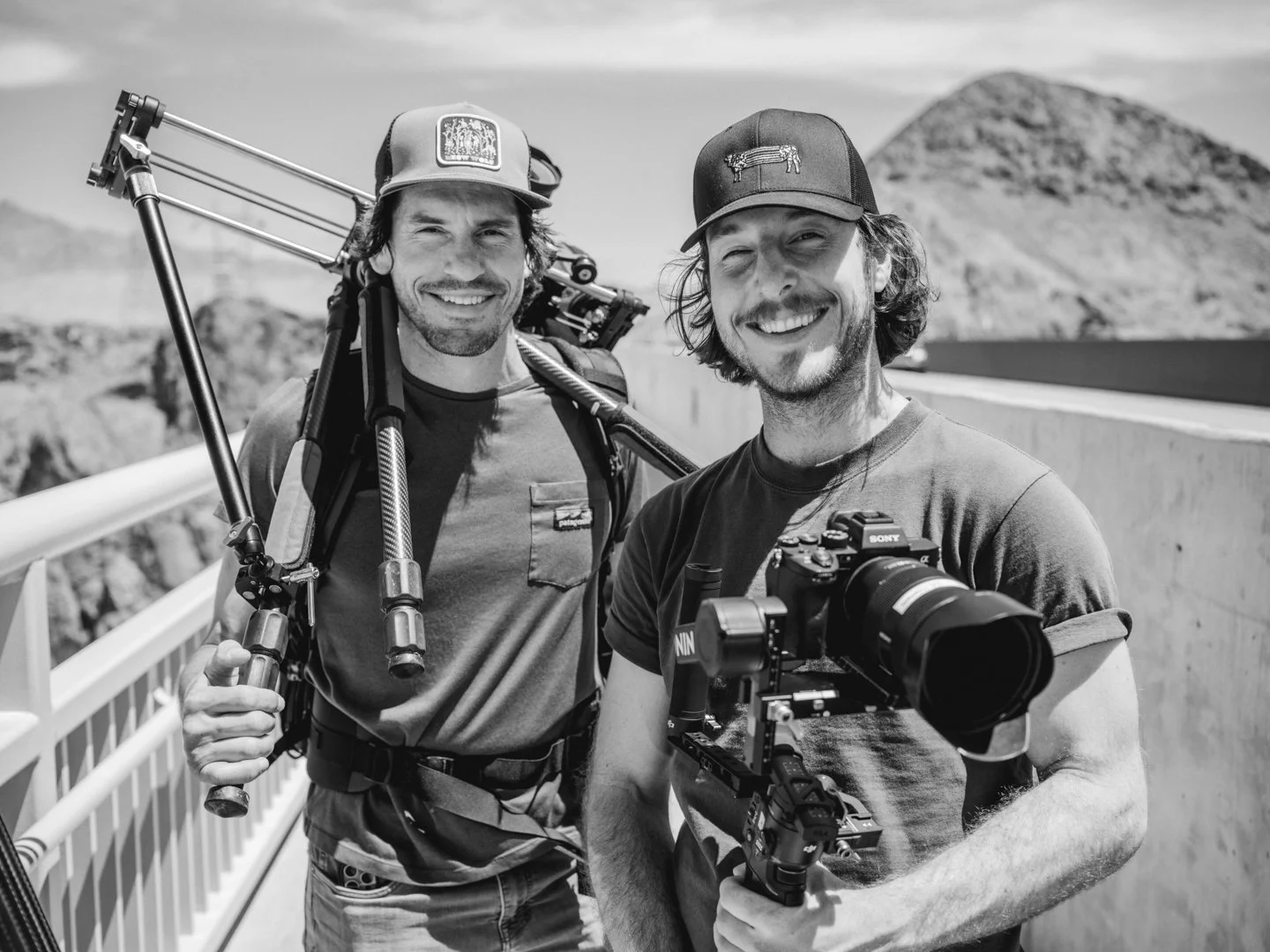
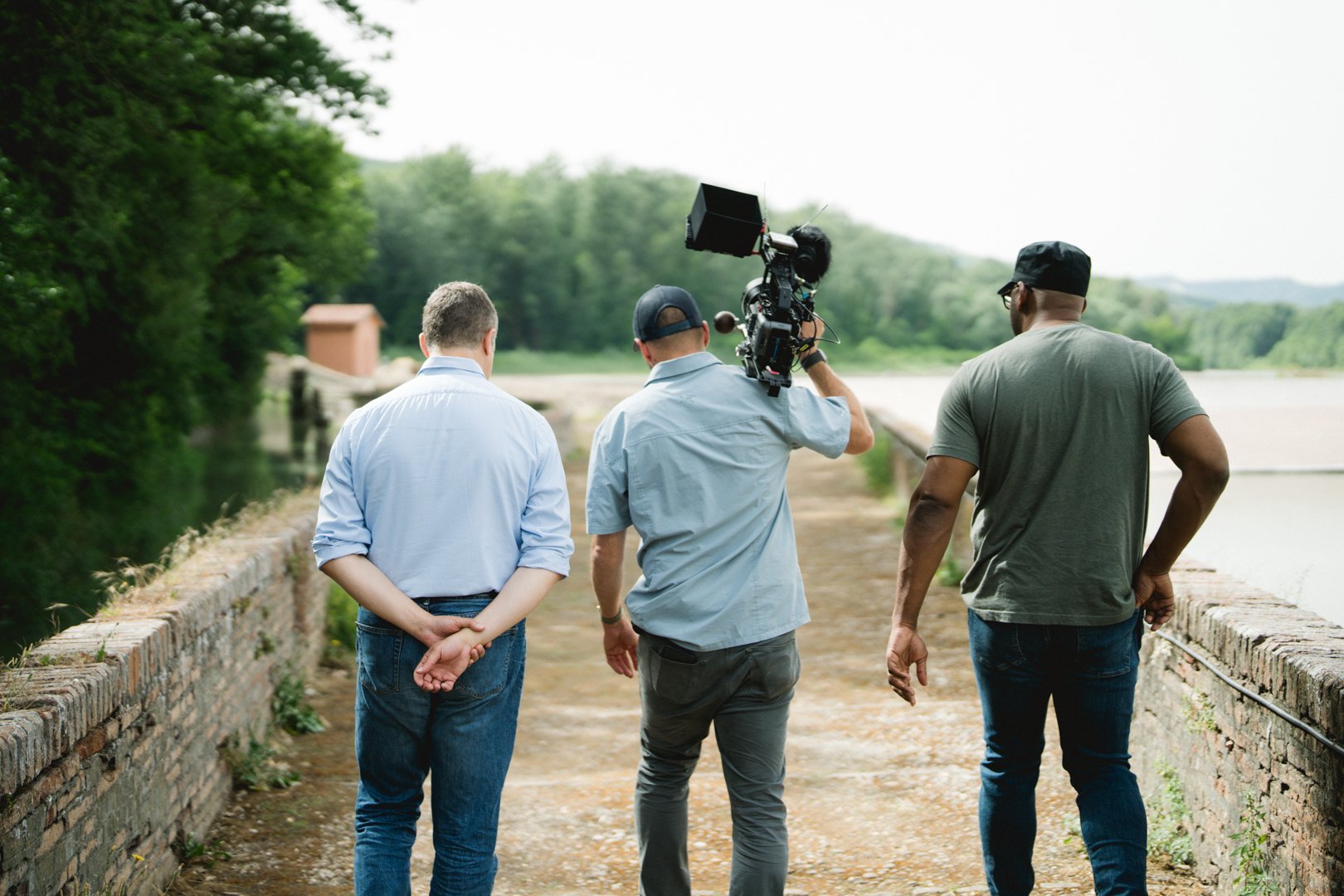
Image by Day’s Edge Productions
Results
Season 2 of Human Footprint premiered nationally on PBS in June 2025 and reached 6.4 million television viewers across six episodes.
On PBS-owned streaming platforms, the series delivered a 55% increase in streams per episode compared to season one, with 28-day streaming averages outperforming comparable science and nature programming, including Nature and NOVA.
The show also performed well on YouTube through PBS Terra, where adapted episodes collectively surpassed 10 million views and ranked as the channel’s third-best performing series. Season two saw a 176% increase in average first-month views compared to season one, as well as meaningful subscriber growth. Notably, an episode adapted from Shelf Life became the most efficient driver of new subscriptions on the Terra channel over a period of 18 months.
At the 2025 Jackson Wild Media Awards, Human Footprint received nominations for Best Editing and Best Limited Series, and won Best Science & Nature - Long Form.